

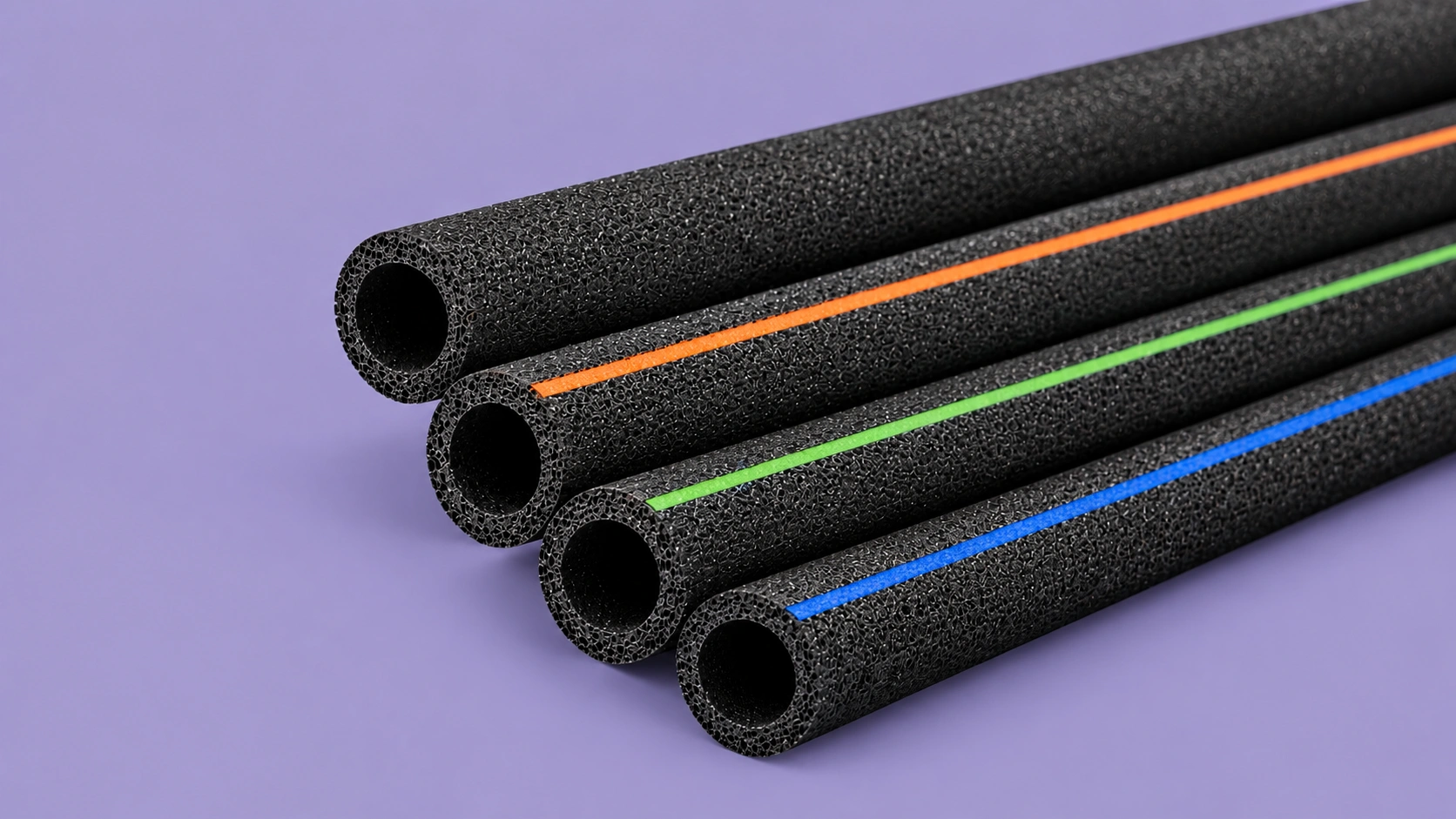
Termite protection is an important part of building construction, particularly in areas where termites can damage foundations, wooden structures, and other building components. Builders need to consider how termite treatment will be carried out, not only during construction but also after the building is completed.
An Irrigate Porous Pipe reticulation system can provide planned access for termite treatment in selected areas of a building. Understanding how these systems are planned and installed can help builders make informed decisions when preparing a construction project.
What Is an Irrigate Porous Pipe Reticulation System?
An Irrigate Porous Pipe reticulation system is a network of pipes designed to provide access for distributing termite treatment to selected areas around a building.
The system is generally planned during construction, while foundations and other relevant areas are still accessible. Once installed, designated access points can be used for future treatment when required.
A properly designed system can form part of a wider anti termite protection system, depending on the building design and treatment requirements.
Why Should Builders Consider a Reticulation System?
Once construction is complete, some areas around foundations and concrete slabs can become difficult to reach. This can make future termite treatment more complicated.
Planning an Irrigate Porous Pipe system during construction can help address this challenge.
Key considerations for builders include:
- Future treatment access: The system provides planned access to selected areas that may otherwise be difficult to reach.
- Construction planning: The pipe layout can be coordinated with the building design.
- Reduced disruption: Future treatment may require less work to access certain areas.
- Project suitability: The network can be planned according to the size and layout of the building.
- Maintenance planning: Access points can be included in the building’s termite management plan.
The actual benefits depend on correct installation and the suitability of the system for the intended treatment method.
How Is the System Planned During Construction?
Planning should begin before the relevant areas are covered by concrete, flooring, or other building materials.
Builders and termite treatment professionals should review the construction drawings and identify the areas where treatment access may be required.
The planning process generally involves:
- Reviewing the building layout: Identify foundations, slab edges, and other relevant structural areas.
- Determining the pipe route: Plan the network according to the building design and treatment requirements.
- Selecting suitable pipe products: Confirm that the pipe is designed for the intended termite treatment application.
- Planning access points: Ensure that designated points remain accessible after construction.
- Checking the installation: Inspect the completed system before the relevant areas become inaccessible.
For projects requiring pre-construction protection, builders can also review the requirements for termite pipe pre-construction treatment.
Where Can a Reticulation System Be Used?
An Irrigate Porous Pipe reticulation system may be considered for different types of buildings, including:
- Residential properties
- Commercial buildings
- Office complexes
- Warehouses
- Large construction developments
The required layout will depend on the building’s design and the areas that need treatment access.
For larger projects, a planned pipe reticulation system for termite treatment can help organise treatment access across selected sections of the property.
However, the system should not be treated as a universal solution for every building. The installation design and treatment approach must suit the project.
What Should Builders Check Before Installation?
Before proceeding, builders should confirm a few important details:
- Is the pipe suitable for termite treatment applications?
- Does the proposed layout meet the project’s requirements?
- Are the access points positioned correctly?
- Will construction work damage or cover the pipe network?
- Are the installation and treatment instructions available?
- Who will inspect and maintain the system after installation?
Clear communication between builders, contractors, and termite treatment professionals can help prevent installation problems.
It is also important to ensure that the system is compatible with the selected treatment product and follows the applicable installation requirements.
Does a Reticulation System Eliminate the Need for Inspections?
No. An Irrigate Porous Pipe system provides treatment access, but it does not remove the need for regular termite inspections.
Property owners should monitor the building for warning signs such as mud tubes, damaged timber, discarded wings, and visible termite activity. Any suspected infestation should be assessed by a qualified pest control professional.
Builders and property owners can learn more about how long anti-termite protection lasts under a building when planning ongoing termite management.
For existing properties, it is also useful to understand the differences between pre-construction and post-construction termite treatment.
Plan Your Termite Protection System Early
An Irrigate Porous Pipe reticulation system can be a useful part of a building’s termite management plan when it is suitable for the project and correctly installed.
By planning the pipe layout during construction, coordinating with termite treatment professionals, and keeping access points available, builders can make better provision for future treatment.
The key is to select a suitable system, follow the installation requirements, and include regular inspections in the building’s ongoing maintenance plan.