

Planning termite protection during construction can make treatment access much easier in the future. Once a building is complete, foundations, slabs, paving and landscaping can make certain areas difficult to reach.
A pipe reticulation system provides a planned network through which termite treatment can be introduced around selected areas of a building. When installed during construction, the system can become part of a broader pre-construction termite management strategy.
What Is a Pipe Reticulation System?
An irrigate porous pipe reticulation system is a network of connected pipes installed around or beneath selected areas of a structure to provide access for treatment.
For termite applications, the pipework is installed during the construction process, with access points positioned so treatment can be introduced after the building is completed.
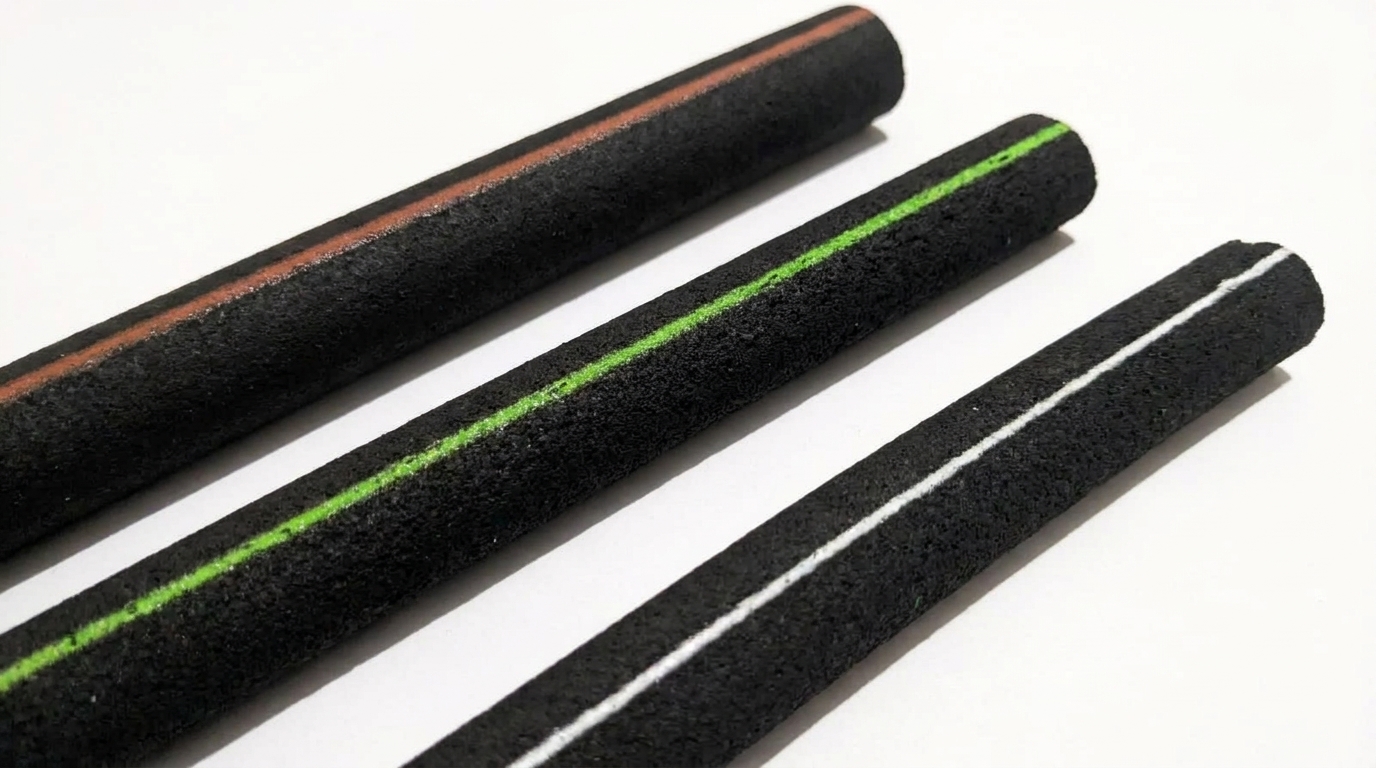
Irrigate Porous Pipe can be incorporated into a suitable termite reticulation system where its specifications and characteristics are appropriate for the application.
How Does a Termite Reticulation System Work?
A termite reticulation system works by creating a planned route for applying treatment to designated areas.
The irrigate porous pipe network is installed at specific locations according to the building design and termite management requirements. Once construction is complete, accessible points allow treatment to be introduced into the system.
The treatment then travels through the installed network and reaches the areas for which the system has been designed.
The exact performance of the system depends on its design, installation, treatment method and site conditions. The pipework should therefore be considered as one part of an overall termite management approach.
Why Is a Pipe Reticulation System Installed During Construction?
Installing the system during construction provides access to areas that may become difficult to reach later.
For example, once a building is completed, the area around its foundations may be covered by concrete, paving or landscaping. Retrofitting a treatment system at this stage can be considerably more disruptive.
A pre-installed irrigate porous pipe reticulation system allows the pipework and access points to be incorporated before these areas become inaccessible.
This can be useful for:
- New residential buildings
- Commercial construction
- Building developments
- Foundation areas
- Concrete slabs
- Building perimeters
How Does Irrigate Porous Pipe Fit Into a Termite Reticulation System?
Irrigate Porous Pipe can form part of a termite reticulation system designed for pre-construction applications.
The pipe needs to be positioned according to the intended treatment areas and the construction design. Connections and access points also need to be planned so that the completed system remains usable.
Rather than treating the pipe as an individual component, the complete system should be considered during the design and construction stages.
This helps ensure that the pipe layout works with the building rather than becoming an obstacle to later construction work.
Where Is a Termite Pipe Reticulation System Installed?
The location of a termite pipe reticulation system depends on the building and the termite protection strategy.
Depending on the project, pipework may be positioned around foundation areas, slabs, perimeters or other locations where treatment access is required.
The system needs to be installed carefully because later construction activities can cover, damage or obstruct the pipework and access points.
When Should You Plan a Pipe Reticulation System?
An irrigate porous pipe reticulation system should be considered early in the construction process, before the areas requiring treatment become inaccessible.
Early coordination allows builders and termite management professionals to plan pipe routes, access points and installation stages alongside the rest of the construction work.
For projects using Irrigate Porous Pipe, planning the system before construction is complete can help provide a practical method of incorporating termite treatment access into the building’s overall protection strategy.