

When investing in termite prevention, one of the first questions property owners ask is how long the protection will actually last. Whether you’re constructing a new building or upgrading an existing termite management system, understanding the lifespan of anti-termite protection can help you make better decisions and avoid costly structural repairs in the future.
The answer depends on several factors, including the treatment method used, soil conditions, environmental exposure, and whether a long-term system such as an anti termite irrigate porous pipe network has been installed. While some treatments may lose effectiveness over time, properly designed systems can provide protection for decades with periodic maintenance.
Why Do Traditional Chemical Barriers Not Last Forever?
Most termite treatments rely on termiticides that create a chemical barrier around or beneath a structure. These chemicals are designed to repel or eliminate termites before they can reach the building’s foundation.
However, no chemical remains fully effective forever. Over time, factors such as groundwater movement, soil composition, heavy rainfall, construction activity, and natural degradation can reduce the effectiveness of the barrier.
In many cases, traditional soil treatments may require reapplication after several years to maintain optimal protection. The exact duration depends on the product used and local environmental conditions.
This is why many builders now incorporate an anti termite treatment irrigate porous pipe system during construction, allowing future treatments to be applied without disturbing the building.
How Anti-Termite Irrigate Porous Pipe Systems Extend Protection for Decades?
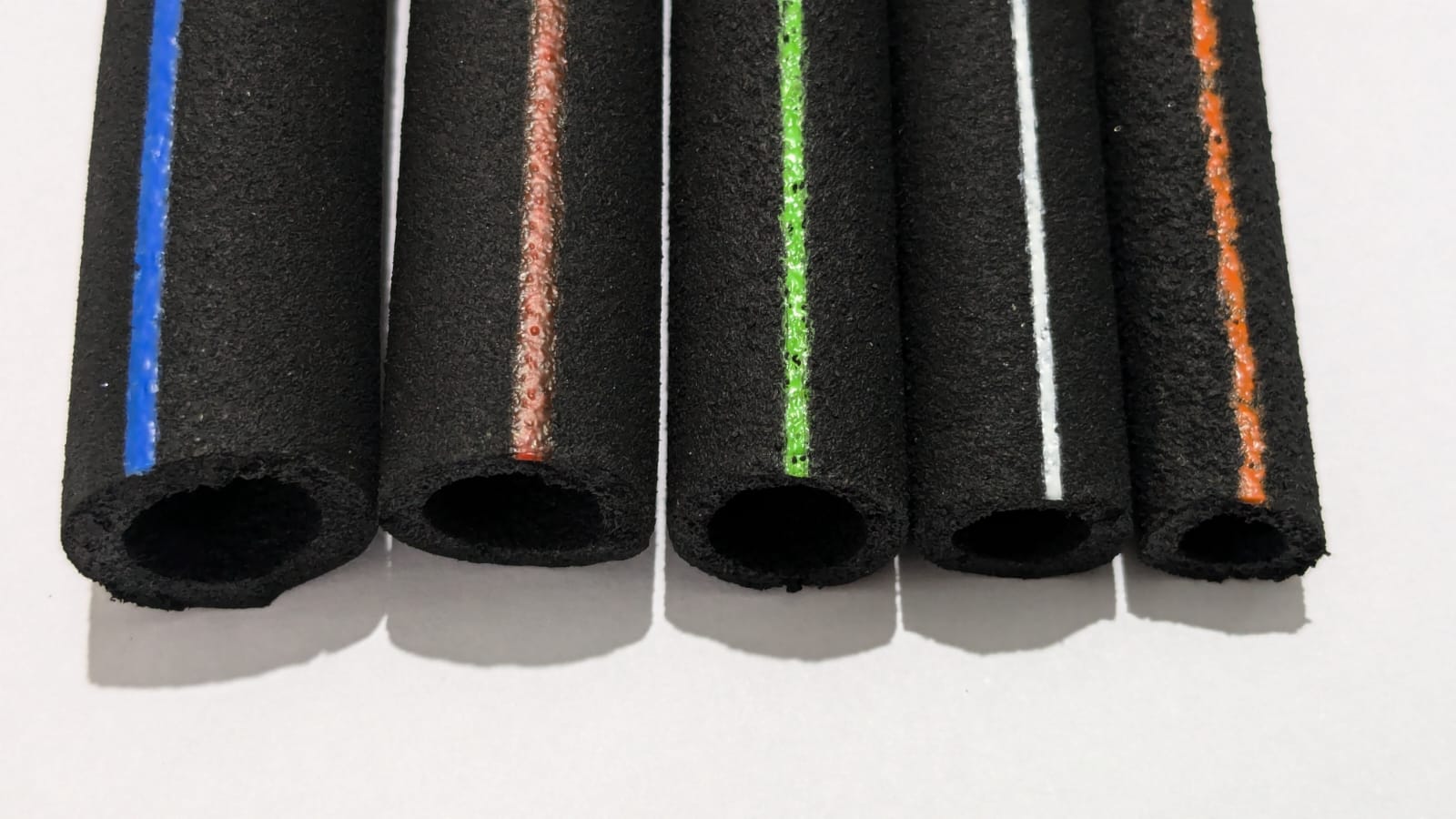
A properly installed irrigate porous termite pipe system is designed to simplify long-term termite management. Instead of relying solely on a one-time chemical application, the piping network creates access points that allow pest control professionals to replenish termite control chemicals whenever necessary.
The irrigate porous pipes are installed beneath slabs, around foundations, and in other termite-prone areas before construction is completed. When re-treatment is required, chemicals can be distributed through the network quickly and evenly.
Because the infrastructure remains in place, the system itself can last for decades while maintaining the building’s protective barrier through periodic servicing.
This makes anti-termite irrigate porous piping one of the most cost-effective solutions for long-term termite prevention.
The Role of Irrigate Porous Pipe Reticulation Systems in Long-Term Termite Management
Many modern buildings use a irrigate porous pipe reticulation system to deliver termiticides beneath and around the structure. These systems consist of interconnected irrigate porous pipes that ensure even distribution of chemicals throughout the treatment zone.
Unlike traditional spot treatments, reticulation systems make it possible to refresh termite barriers without extensive drilling or excavation work.
The lifespan of the piping itself can often exceed the lifespan of several chemical treatment cycles. As long as the system remains intact and receives regular inspections, it can continue supporting termite protection for many years.
This is one reason why developers, commercial property owners, and builders increasingly choose reticulation systems during the construction phase.
Environmental Factors That Affect Termite Protection Longevity
Even the most advanced termite prevention system can be influenced by environmental conditions.
Several factors can impact how long termite protection lasts:
Soil Type and Drainage Conditions
Highly porous soils may allow chemicals to disperse more quickly, reducing their effectiveness over time. Poor drainage can also affect treatment performance.
Rainfall and Moisture Levels
Heavy rainfall and frequent water exposure may gradually weaken soil-applied termite barriers, especially if no re-treatment strategy is in place.
Construction Disturbances
Landscaping projects, excavation work, plumbing repairs, and foundation modifications can disrupt protective barriers and create potential entry points for termites.
Local Termite Pressure
Areas with high termite activity may require more frequent inspections and maintenance than regions with lower infestation risks.
Signs That a Building May Need Re-Treatment
Even if no visible infestation exists, regular inspections remain essential.
Property owners should consider a professional assessment if they notice:
- Mud tubes along walls or foundations
- Hollow-sounding timber
- Damaged wooden structures
- Increased termite activity nearby
- Long periods since the last treatment
Buildings equipped with a irrigate porous pipe for termite treatment system can usually be re-treated much more efficiently than structures that rely solely on traditional barriers.
Why Preventive Maintenance Matters More Than Treatment Lifespan?
Instead of asking whether termite protection lasts five years, ten years, or twenty years, a better question is whether the protection can be maintained effectively throughout the life of the building.
Systems that include an anti termite irrigate porous pipe, irrigate porous termite pipe, or irrigate porous pipe reticulation system allow property owners to maintain protection whenever required without costly structural disruption. This approach transforms termite prevention from a one-time treatment into an ongoing building protection strategy that can safeguard the property for decades.