

Termites are among the most destructive pests that can affect residential, commercial, and industrial buildings. Every year, property owners spend significant amounts repairing termite-related damage that could have been prevented with the right treatment strategy. One of the most common questions builders and homeowners ask is whether pre-construction termite treatment is better than post-construction treatment.
While both methods help control termite infestations, they differ in cost, effectiveness, and long-term protection. Understanding these differences can help you choose the most suitable termite management solution for your property.
Why Timing Plays a Critical Role in Termite Protection?
Termites often remain hidden underground or inside structural elements until substantial damage has already occurred. This makes prevention far more effective than treatment after an infestation develops.
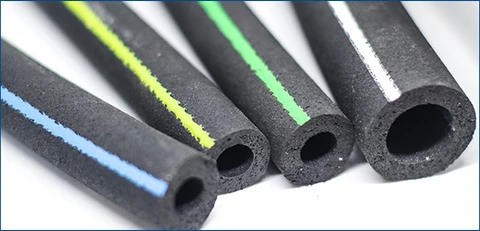
Pre-construction termite treatment is carried out before the building foundation is completed. During this stage, an anti-termite irrigate porous pipe system or irrigate porous pipe for termite treatment can be installed beneath and around the structure. These systems create a protective barrier that allows future chemical applications without disturbing the building.
Post-construction treatment, on the other hand, is applied after a building has already been completed and may require drilling, trenching, or localized chemical treatments to reach termite-prone areas.
How Does Pre-Construction Termite Treatment Create Long-Term Protection?
Pre-construction treatment is widely preferred by builders because it provides protection from the very beginning of a building’s lifecycle.
A properly installed anti termite treatment pipe network allows pest control professionals to distribute termiticides evenly throughout the soil surrounding the foundation. These systems are often integrated into a irrigate porous pipe reticulation system, ensuring consistent chemical delivery whenever re-treatment is required.
Some of the major advantages include:
- Protection before termites can establish colonies
- Lower maintenance costs over time
- Minimal disruption during future treatments
- Better chemical distribution beneath foundations
- Long-term termite management capability
Because the treatment is installed during construction, coverage is generally more comprehensive than treatments performed after the building is completed.
Challenges Associated with Post-Construction Termite Treatment
Post-construction termite control is typically necessary when preventive measures were not implemented during construction or when an existing infestation is discovered.
Although effective, this approach often involves more labor-intensive procedures. Technicians may need to drill through floors, create access points around walls, or trench around the property’s perimeter to introduce termite control chemicals.
Common challenges include:
- Higher treatment costs
- Limited access to foundation areas
- Potential disruption to occupants
- Multiple treatment sessions
- Greater difficulty achieving complete soil coverage
For buildings experiencing active infestations, post-construction treatment remains essential, but it is often more reactive than preventive.
Comparing Installation Costs and Long-Term Value
Many property owners focus solely on the initial installation cost when choosing between the two methods. While pre-construction systems require planning during the building phase, they generally provide better long-term value.
Installing a termite pipe network during construction is significantly easier than retrofitting a completed structure. Future re-treatments can be performed through designated injection points without extensive drilling or excavation.
Post-construction treatments may appear less expensive initially, but recurring inspections, repairs, and additional chemical applications can increase overall costs over time.
When evaluating lifetime protection expenses, pre-construction systems often deliver a stronger return on investment.
When a Pipe Reticulation System Becomes the Preferred Solution?
Large residential projects, commercial facilities, warehouses, and institutional buildings often benefit from a dedicated irrigate porous pipe reticulation system.
These systems use specially designed porous piping to distribute termiticides beneath slabs and around foundations. Unlike traditional spot treatments, reticulation systems allow pest management professionals to replenish chemical barriers efficiently whenever needed.
This approach is particularly valuable in regions with high termite activity where long-term prevention is a priority.
Choosing the Right Treatment Strategy Based on Your Property
The best termite treatment solution depends largely on the stage of your property.
If construction has not yet begun, installing a irrigate porous pipe for termite treatment or anti termite irrigate porous pipe system provides the opportunity to establish comprehensive protection before termites become a threat.
If the building is already complete and termite activity is suspected, post-construction treatment remains the practical option for eliminating existing infestations and preventing further damage.
For property owners seeking the highest level of long-term protection, preventive systems installed during construction generally offer greater effectiveness, easier maintenance, and reduced treatment costs throughout the life of the building.