

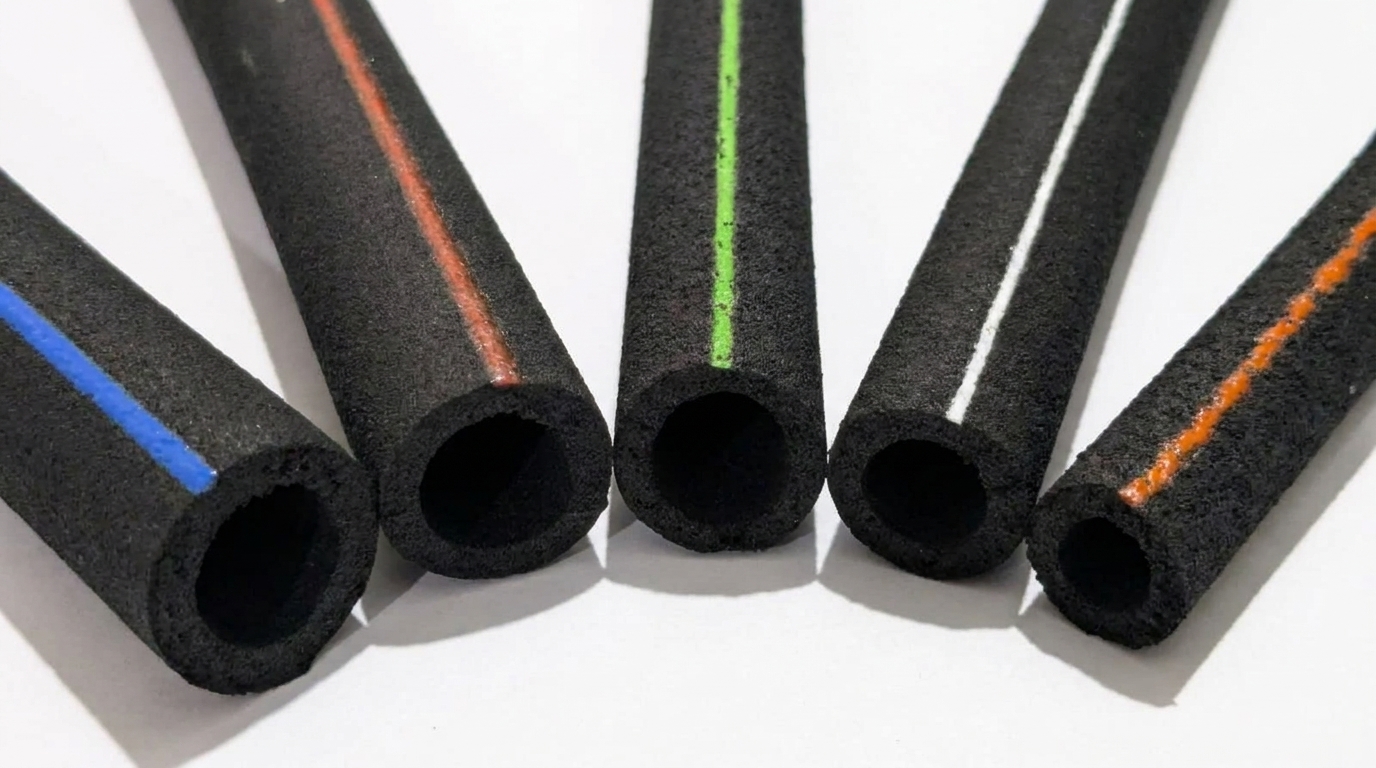
Termite protection is something that is best considered before a building is completed. During construction, areas around foundations, slabs and building perimeters are accessible, making it easier to install systems that may be difficult to add later.
An irrgate porous termite pipe is one approach used in pre-construction termite management. When incorporated into a suitable reticulation system, it can provide access for termite treatment around selected parts of a building.
But what exactly is a termite pipe, and why is it installed during construction?
What Is a Termite Pipe?
A termite pipe is installed as part of a termite treatment system to provide a pathway for applying treatment around a building.
The pipe network is positioned during construction according to the design of the building and the requirements of the termite management system. Once installed, designated access points can allow treatment to be introduced without having to access areas that may be covered by concrete, paving or landscaping.
Irrigate Porous Pipe can be incorporated into suitable termite treatment applications where the product specifications and system design are appropriate.
How Does a Termite Pipe System Work?
A termite pipe system works by creating a planned network through which termite treatment can be introduced to designated areas.
The pipe is installed at the appropriate construction stage, with connections and access points positioned according to the system design. Once construction is complete, treatment can be applied through the accessible points.
The treatment then travels through the pipe network and reaches the areas for which the system was designed.
The pipe is not a standalone termite barrier. Its role is to form part of a broader termite management system that may include other treatment methods and protective measures.
Why Are Termite Pipes Installed Before Construction Is Complete?
One of the main reasons for installing an irrigate porous termite pipe during construction is accessibility.
Once a building is finished, areas around foundations and slabs may be covered by permanent structures or landscaping. Installing the pipe beforehand means treatment access can be planned while those areas are still accessible.
This can be particularly useful for:
- New residential construction
- Commercial buildings
- Building extensions
- Foundation areas
- Concrete slabs
- Building perimeters
The exact application depends on the project’s termite management requirements.
How Does Irrigate Porous Pipe Help With Termite Treatment?
Irrigate Porous Pipe can be used as part of a suitable termite reticulation system designed for pre-construction applications.
The pipework needs to be positioned carefully so that the completed system provides access to the intended treatment areas. This includes considering the building layout, foundation design, access points and the stage of construction.
A properly planned system can therefore be incorporated into construction without needing to retrofit pipework after the building is finished.
Where Should a Termite Pipe Be Installed?
There is no single layout that works for every building. The position of a termite pipe depends on factors such as the foundation design, site conditions, building perimeter and the termite treatment strategy being used.
The installation should be planned before relevant areas become inaccessible. Pipe connections and access points also need to remain usable after construction.
For this reason, termite pipe installation should be coordinated with the builder and the professionals responsible for termite management.
When Should You Plan a Termite Pipe System?
The earlier termite protection is considered, the easier it is to coordinate the system with construction.
A termite pipe can be planned alongside foundation and slab work so that the required pipework and access points are installed at the appropriate stage.
For projects using Irrigate Porous Pipe, choosing the right product and planning its installation around the building design are important steps in creating a practical pre-construction termite treatment system.