

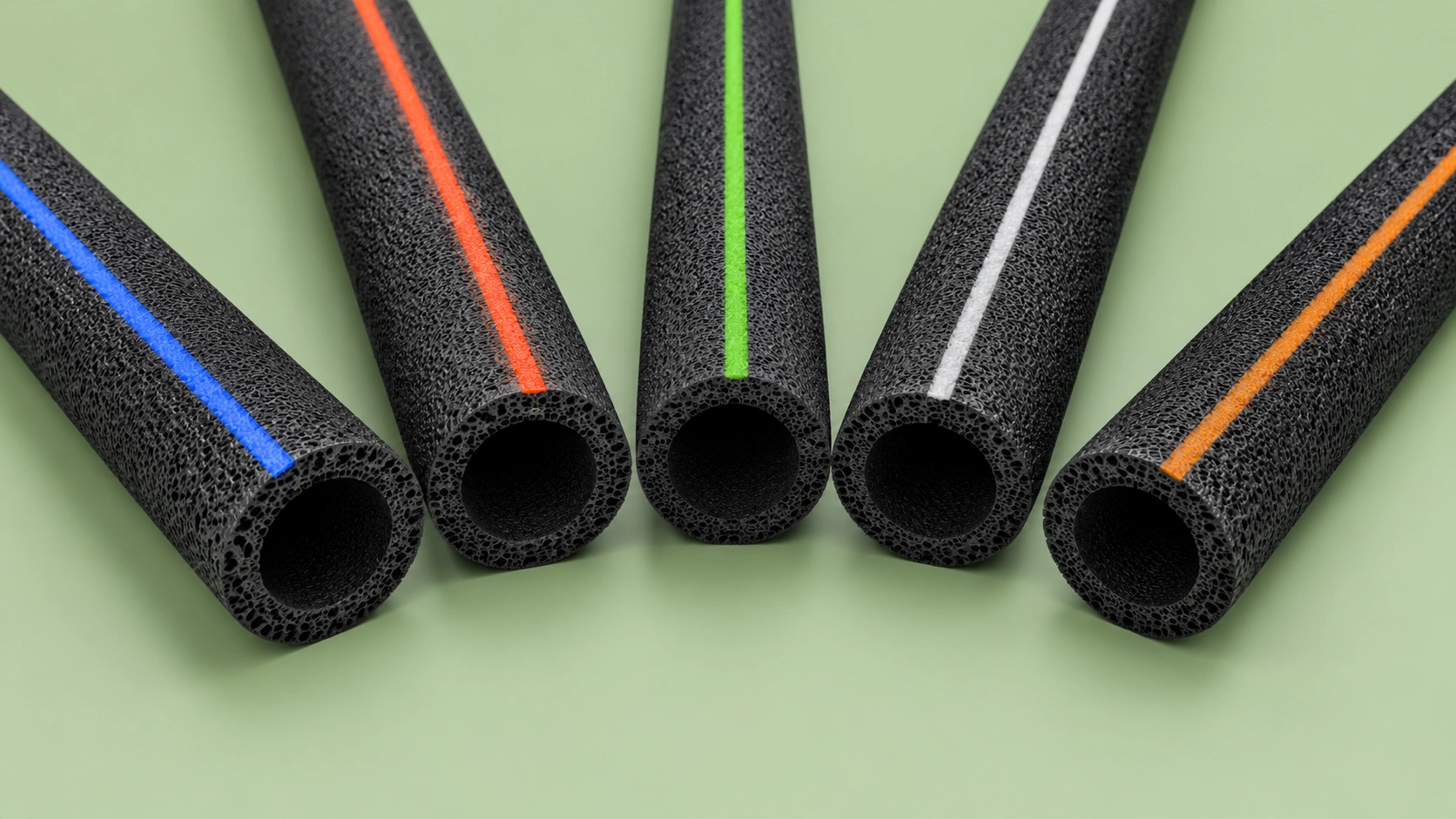
Installing an Irrigate Porous Pipe system can provide planned access for termite treatment around a building. However, installation is only one part of termite protection. Regular inspections and proper maintenance are also important for identifying potential problems and deciding when further treatment may be needed.
Property owners and building managers should understand how often their termite protection system needs to be checked and what to look for during an inspection.
Why Are Regular Checks Important?
An Irrigate Porous Pipe system is designed to provide access for termite treatment in selected areas of a building. Over time, construction changes, landscaping, and other factors may affect the accessibility of the system.
Regular checks can help identify issues such as:
- Damaged or blocked access points
- Pipe sections that are difficult to reach
- Signs of termite activity around the building
- Changes in the surrounding soil or landscape
- Areas that may require further assessment or treatment
A properly maintained system can help make future termite treatment easier to manage. It should form part of a wider anti termite protection system rather than being treated as a replacement for inspections.
How Often Should the System Be Inspected?
The inspection schedule depends on the building, the local termite risk, the installation design, and the treatment products used.
There is no single inspection interval that suits every property. As a starting point, property owners should follow the inspection and maintenance schedule recommended by the termite treatment professional who installed or manages the system.
Additional inspections may be appropriate when:
- Termite activity is suspected.
- The building has experienced water damage or significant landscaping changes.
- Access points have been damaged or covered.
- Construction or renovation work has taken place near the system.
- A pest control professional recommends a follow-up assessment.
It is also important to distinguish between inspecting the pipe system and inspecting the building for termites. Both may be needed.
What Should Be Checked During an Inspection?
A professional inspection should consider the condition of the system and the surrounding building areas.
1. Check the Access Points
The designated access points should remain identifiable and accessible. If they have been covered by soil, paving, or landscaping, a professional should determine how access can be restored safely.
2. Look for Visible Pipe Damage
Where pipe sections are accessible, they can be checked for visible damage or other problems that could affect their intended use.
Any suspected blockage or damage should be assessed before treatment is introduced.
3. Inspect the Building for Termite Activity
Property owners should watch for warning signs such as:
- Mud tubes around foundations
- Damaged or hollow-sounding timber
- Discarded termite wings
- Visible termites near wooden structures
- New damage to vulnerable building materials
These signs do not all confirm an active infestation, but they should be investigated by a qualified pest control professional.
4. Review the Treatment History
Keeping records of previous inspections and treatments helps property owners understand the system’s maintenance history.
Records should include inspection dates, any issues identified, treatment details, and recommendations for future checks.
Does the Pipe System Need Treatment Every Year?
Not necessarily. The need for treatment depends on the product used, the system design, the building’s condition, and the recommendations of the treatment professional.
An Irrigate Porous Pipe system provides a route for treatment where appropriately designed and installed. It does not automatically mean that treatment should be applied at fixed intervals.
The correct treatment schedule should follow the product label, applicable requirements, and professional recommendations.
For more information about ongoing protection, read how long anti-termite protection lasts under a building.
Why Is Maintenance Planning Important for Buildings?
Maintenance is especially important for commercial buildings and properties with large foundations or areas that are difficult to access.
A planned inspection schedule can help property managers identify problems early and arrange appropriate action before damage becomes more extensive.
For new projects, a pipe reticulation system for long-term termite prevention can be incorporated into the building plan to provide treatment access in selected areas.
Property owners should also understand the differences between pre-construction and post-construction termite treatment when planning termite protection for new and existing buildings.
Keep Your Termite Protection System in Good Condition
Regular inspections help property owners understand the condition of their Irrigate Porous Pipe system and identify when professional attention may be required.
The best approach is to maintain accessible treatment points, monitor the building for signs of termite activity, and follow the inspection and treatment schedule recommended by a qualified professional.
With proper planning and maintenance, an Irrigate Porous Pipe system can remain a useful part of a building’s termite management strategy.