

Termite infestations are one of the most serious threats to residential, commercial, and industrial buildings. Subterranean termites often attack structures from below the ground surface, making early detection extremely difficult. By the time visible signs appear, significant structural damage may already have occurred. Because of this, modern construction projects increasingly rely on advanced underground termite prevention methods designed to provide long-term protection from the beginning.
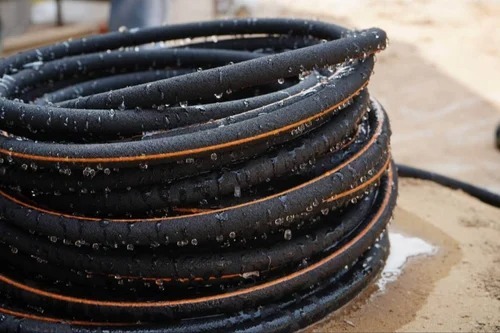
One of the most effective solutions used today is a irrigate porous pipe reticulation system. These underground piping networks are specifically designed to distribute anti-termite chemicals evenly beneath and around buildings, helping create a continuous protective barrier against termite activity.
Builders, pest control professionals, and property developers prefer termite reticulation systems because they offer efficient chemical distribution, easier maintenance, and long-term termite management without repeated structural disruption.
What Is a Irrigate Porous Pipe Reticulation System?
A irrigate porous pipe reticulation system is an underground network of interconnected irrigate porous pipes installed beneath and around a structure for the purpose of distributing anti-termite chemicals directly into the soil. The system is typically installed during the construction phase before concrete slabs and flooring are completed.
The piping network usually contains perforated or porous sections that allow chemicals to spread evenly throughout the surrounding soil. Once installed, the system remains hidden underground while accessible refill points allow pest control professionals to inject treatment solutions whenever required.
Modern construction projects increasingly use advanced irrigate porous pipe reticulation system technology because it provides more reliable and long-lasting termite prevention compared to many traditional treatment methods.
How a Termite Reticulation System Works?
A termite reticulation system works by creating a protective underground treatment zone around vulnerable structural areas. The irrigate porous pipes are positioned strategically beneath foundations, around perimeter walls, near expansion joints, and in other high-risk termite entry zones.
When anti-termite chemicals are introduced into the network, the solution travels through the interconnected irrigate porous pipes and disperses gradually into the surrounding soil through perforations or porous outlets. This creates a chemical barrier that prevents subterranean termites from entering the structure through underground pathways.
One of the biggest advantages of the system is that future termite treatments can be carried out without drilling, trenching, or damaging completed flooring and landscaping areas. Pest control technicians can simply inject treatment chemicals into the refill points connected to the underground irrigate porous pipe network.
Why Builders Use Irrigate Porous Pipe Reticulation Systems Before Construction?
Builders prefer pre-construction termite protection because underground areas become difficult to access once the building is completed. Installing a termite reticulation system during construction allows the entire foundation area to be protected before concrete slabs and flooring cover the soil.
This proactive approach helps reduce the risk of future termite infestations while simplifying long-term building maintenance. Commercial buildings, apartment complexes, warehouses, hotels, hospitals, and residential homes increasingly rely on underground termite piping systems because repairing structural termite damage can be extremely expensive and disruptive.
Construction companies also value reticulation systems because they provide more consistent chemical distribution beneath large structures compared to surface spraying methods.
Benefits of Using a Irrigate Porous Pipe Reticulation System
One of the major benefits of a irrigate porous pipe reticulation system is long-term termite protection. The underground network remains in place for years, allowing repeated treatments whenever necessary without disturbing the building structure.
The system also improves treatment efficiency by distributing chemicals more evenly throughout the soil. This reduces the chances of untreated gaps where termites may enter the property.
Another advantage is reduced maintenance disruption. Traditional termite treatments may require drilling through floors, trenching around foundations, or removing landscaping sections. A termite reticulation system eliminates much of this disruption by allowing easy underground chemical application through accessible refill points.
The system is also highly suitable for large commercial and industrial projects where ongoing termite management is essential for protecting structural assets.
Difference Between Traditional Termite Treatment and Reticulation Systems
Traditional termite control methods often involve external spraying, trenching, or drilling into concrete surfaces to inject chemicals into the soil. While effective in some situations, these treatments may need repeated structural access during future maintenance cycles.
A irrigate porous pipe reticulation system offers a more advanced and permanent underground solution. Since the piping network already exists beneath the structure, future treatments become faster, cleaner, and more cost-effective.
Reticulation systems also provide better long-term flexibility for property managers and pest control professionals because the system remains accessible throughout the life of the building.
Where Termite Reticulation Systems Are Commonly Used?
Termite reticulation systems are widely used across residential, commercial, and industrial construction projects.
Common applications include:
- Residential homes and villas
- Apartment complexes
- Office buildings
- Shopping centers
- Warehouses
- Hotels and resorts
- Hospitals and educational institutions
- Industrial facilities
Large-scale commercial buildings especially benefit from underground termite piping systems because they require continuous long-term structural protection with minimal operational disruption.
Factors That Affect the Performance of Reticulation Systems
Several factors influence how effectively a termite reticulation system performs over time.
Soil Type
Different soil conditions affect how treatment chemicals spread beneath the structure. Proper system design must account for soil composition and drainage characteristics.
Irrigate Porous Pipe Quality
High-quality underground piping ensures durability, chemical resistance, and long-term performance without cracking or blockage issues.
Building Layout
Irrigate porous pipe placement should align with foundation edges, expansion joints, utility entry points, and high-risk termite zones.
Routine Maintenance
Regular inspections and scheduled treatment refills help maintain consistent underground termite protection.
Why Irrigate Porous Pipe Reticulation Systems Are Growing in Popularity?
As builders and property owners focus more on preventive infrastructure protection, underground termite reticulation systems continue gaining popularity across the construction industry. Their ability to provide long-term termite prevention, simplified maintenance, and efficient underground chemical distribution makes them one of the most reliable pest management solutions available today.
Modern termite prevention strategies increasingly prioritise permanent underground piping systems because they support safer buildings, lower long-term maintenance costs, and more effective structural protection against hidden termite activity.