

Termite protection is an important consideration for both new and existing buildings. While many termite treatment systems are planned during construction, property owners may also need solutions after a building has been completed.
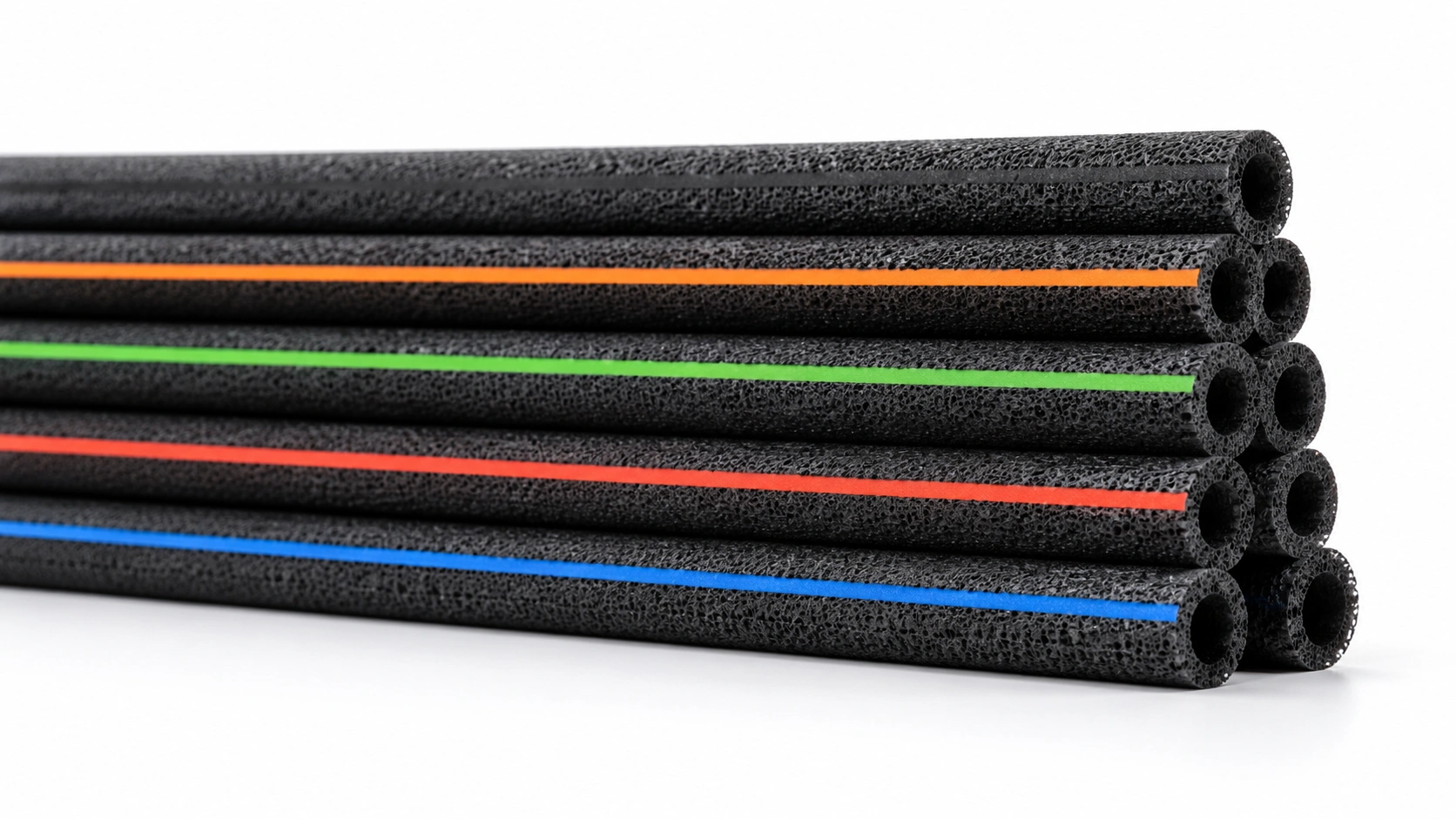
One common question is whether an Irrigate Porous Pipe system can be used for an existing building. The answer depends on the property’s construction, the accessibility of the areas requiring treatment, and the design of the proposed system.
Is Irrigate Porous Pipe Suitable for Existing Buildings?
An Irrigate Porous Pipe system is generally easier to plan and install during construction because the foundations and other relevant areas are accessible.
In an existing building, the situation can be more complicated. Concrete slabs, flooring, landscaping, and other structures may cover the areas where a pipe network would normally be installed.
Before deciding on a system, a termite treatment professional should assess the building and determine whether installing a suitable pipe network is practical.
For new construction, an anti termite protection system can be planned before important structural areas become difficult to access.
What Challenges Can Occur in Existing Buildings?
Installing a termite treatment pipe system after construction may involve several challenges.
These include:
- Limited access: Foundations and other areas may already be covered by concrete or flooring.
- Existing structures: Landscaping, pathways, and other features may affect the pipe layout.
- Installation requirements: Additional work may be needed to reach suitable locations.
- Treatment planning: The system must be appropriate for the building and the termite problem being addressed.
These factors do not automatically rule out every possible installation. However, they make a professional assessment important before choosing a treatment approach.
What Are the Options for Existing Buildings?
The right termite treatment depends on whether the building has an existing infestation, needs preventive treatment, or requires ongoing protection.
Possible approaches include:
1. Inspection and Targeted Treatment
If termites are already present, the first step is to identify the affected areas and assess the extent of the problem.
A qualified pest control professional can recommend an appropriate treatment based on the building’s condition and the type of termite involved.
2. Post-Construction Termite Treatment
Post-construction treatment is designed for buildings that have already been completed. Depending on the property, it may involve treating soil, foundations, entry points, or other suitable areas.
Read more about pre-construction vs post-construction termite treatment to understand how these approaches differ.
3. Reticulation Systems Where Suitable
In some situations, a termite treatment pipe network may be considered for an existing property. Whether this is practical depends on access, installation requirements, and the building layout.
A pipe reticulation system for termite treatment provides a planned network for delivering treatment to selected areas when the system is appropriately designed and installed.
Why Is Planning Important?
Whether a building is new or existing, termite treatment should be based on its actual requirements.
Before installing an Irrigate Porous Pipe system, consider:
- The condition of the foundations and surrounding areas
- Evidence of current termite activity
- Areas that need treatment access
- The feasibility of installing the pipe network
- The recommended treatment method
- Future inspection and maintenance requirements
These considerations can help property owners avoid choosing a system that does not suit their building.
How Can Property Owners Support Long-Term Termite Protection?
Installing a treatment system is only one part of termite management. Regular inspections and timely action are also important.
Property owners should look for warning signs such as mud tubes, damaged timber, discarded wings, or visible termite activity. Any suspected infestation should be assessed by a qualified professional.
For buildings where treatment access is a priority, understanding how a termite pipe pre-construction treatment system is incorporated into new construction can also help when planning future building projects.
Choose the Right Approach for Your Building
An Irrigate Porous Pipe system can provide planned access for termite treatment, but installing one in an existing building may be more complicated than including it during construction.
The best approach depends on the building’s design, accessibility, and treatment requirements. A professional assessment can help determine whether a pipe network is practical or whether another termite treatment method would be more suitable.
By choosing the right approach and arranging regular inspections, property owners can make more informed decisions about protecting their buildings from termite damage.