

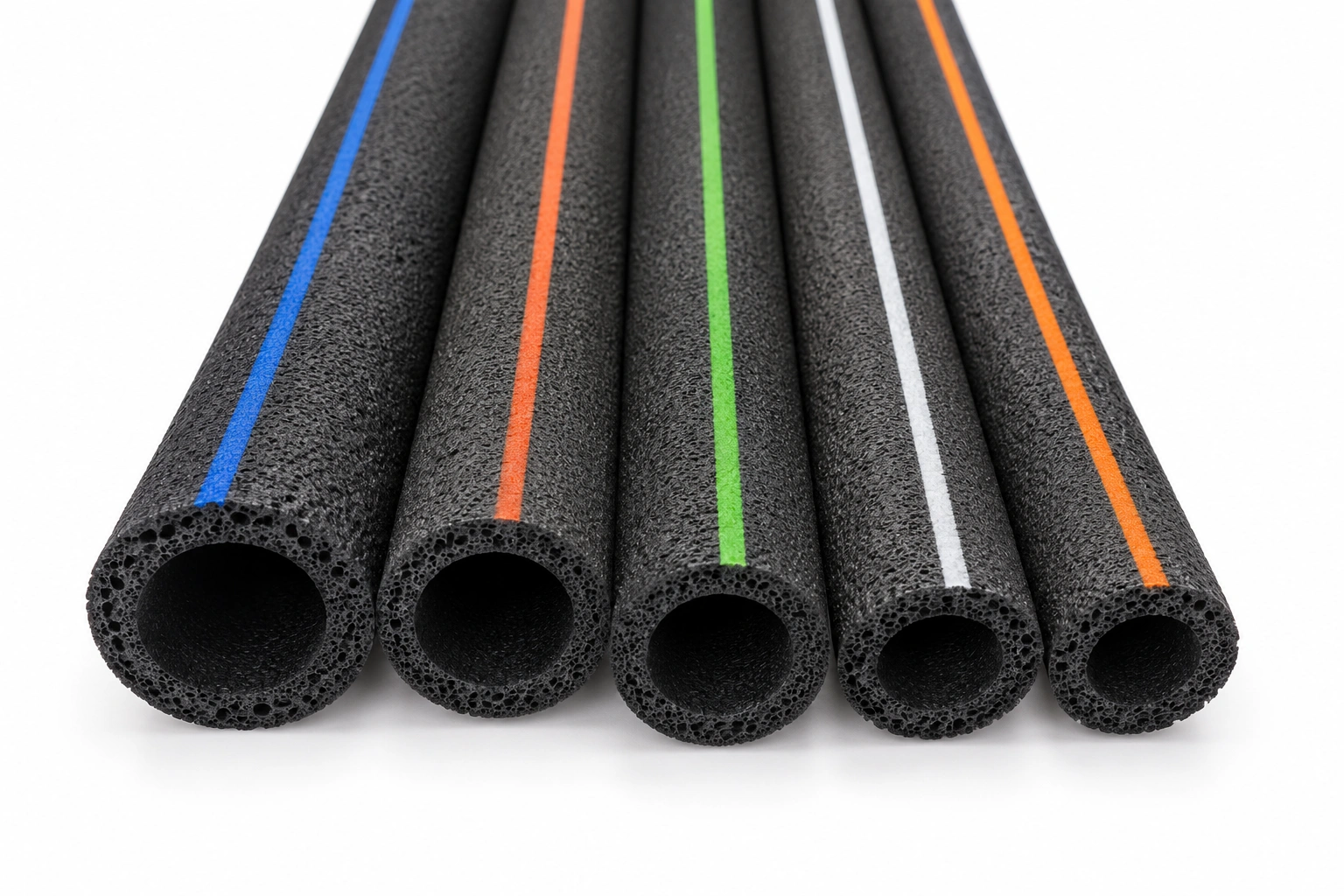
Termites can cause serious problems for commercial buildings if they are not identified and treated in time. Offices, warehouses, shopping centres, hotels, and other commercial properties may contain wooden structures, furniture, storage areas, and other materials that termites can damage.
For this reason, termite protection should be considered during the construction and maintenance of commercial properties. An Irrigate Porous Pipe system can be incorporated into a termite treatment plan to provide access to selected areas for future treatment.
Why Is Termite Protection Important for Commercial Buildings?
Commercial buildings often have large foundations, extensive floor areas, and sections that become difficult to access after construction. If termite activity develops in these areas, carrying out treatment may require additional planning and work.
A suitable termite protection plan can help property owners and facility managers address these challenges.
Key considerations include:
- Protecting vulnerable building components from termite damage
- Planning treatment access around foundations and slabs
- Reducing disruption during future termite treatment
- Arranging regular inspections
- Identifying potential termite entry points early
Installing an anti termite protection system during construction can help make termite management part of the building’s overall maintenance plan.
How Does Irrigate Porous Pipe Work in Commercial Buildings?
An Irrigate Porous Pipe system can be installed during construction to create a planned route for applying termite treatment to selected areas.
The pipe layout is designed according to the building structure and treatment requirements. Once the relevant areas are covered by concrete or other construction materials, the installed system can provide access for future treatment where appropriate.
The main advantages include:
- Planned treatment access: The system can provide access to areas that may be difficult to reach after construction.
- Support for large projects: Pipe networks can be designed around the requirements of commercial buildings.
- Reduced disruption: Access through the installed system may reduce the need for additional work to reach certain areas.
- Future treatment options: The system can support subsequent termite treatment when required.
The effectiveness of the system depends on correct installation, suitable treatment products, and proper maintenance.
Where Can the System Be Used?
An Irrigate Porous Pipe system may be considered for different types of commercial construction projects, including:
- Office buildings
- Hotels and hospitality properties
- Warehouses and storage facilities
- Shopping centres
- Commercial complexes
- Industrial buildings
The pipe layout should be planned according to the property’s design and the areas requiring termite treatment access.
For larger projects, a pipe reticulation system for termite treatment can provide a planned network across selected sections of a building.
Why Should It Be Planned During Construction?
Construction is often the most practical stage for installing a termite treatment pipe network because the foundations and other relevant areas are still accessible.
Planning the system early allows builders to coordinate the pipe layout with the construction schedule and termite treatment requirements.
A properly planned anti-termite treatment pipe system can provide access for future treatment without relying entirely on direct access to covered areas.
However, the system must be designed and installed according to the building specifications. Not every commercial property will require the same layout or treatment approach.
How Does It Fit Into a Wider Termite Management Plan?
An Irrigate Porous Pipe system should be considered one part of a wider termite management strategy rather than a complete replacement for inspections and other control measures.
Commercial property owners should arrange regular inspections and investigate signs of termite activity, including mud tubes, damaged timber, and discarded wings.
Depending on the building and the level of termite risk, other methods may also be appropriate. For example, a termite bait station may be used as part of a broader termite management programme.
Property owners should also understand the differences between pre-construction and post-construction termite treatment when deciding how to protect a building.
Choose a Suitable Termite Protection System
Termite protection is an important consideration for commercial buildings because treatment can become more difficult once construction is complete.
An Irrigate Porous Pipe system can provide planned access for future termite treatment when it is correctly designed and installed. By considering termite protection early, builders and property managers can make better provisions for the building’s ongoing maintenance.
The right approach will depend on the property, its construction, and the recommendations of qualified termite treatment professionals.