

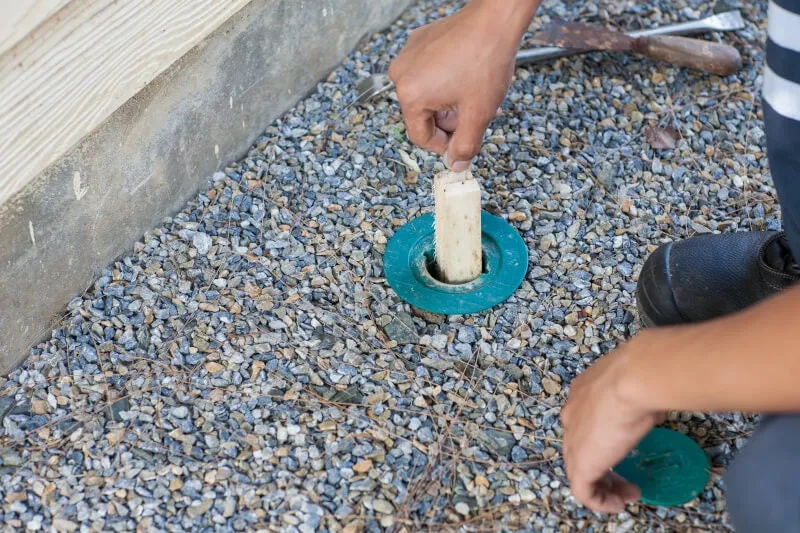
Commercial buildings face constant risks from termite infestations, especially in areas with warm climates and high underground termite activity. Offices, hotels, warehouses, shopping complexes, hospitals, and industrial facilities can all suffer severe structural damage if termite problems are not identified and controlled early. Because of this, many property owners now rely on advanced termite prevention systems to protect their investments before infestations become widespread.
One of the most effective solutions used in modern pest management is a termite bait station. These systems are designed to monitor, control, and eliminate termite colonies before they cause major structural damage to commercial properties.
What Is a Termite Bait Station?
A termite bait station is a specially designed underground or surface-level device used to attract and eliminate termites. The station contains bait materials that termites consume and carry back to their colony. Over time, the bait spreads throughout the colony, helping reduce or completely eliminate termite activity.
Unlike traditional chemical spraying methods that create a temporary barrier, termite bait stations target the termite colony directly. This makes them an effective long-term solution for commercial termite management.
Many businesses integrate advanced termite bait station systems into their overall pest control strategy to improve building protection and reduce future infestation risks.
Why Commercial Buildings Are Vulnerable to Termites?
Commercial properties often provide ideal conditions for termite infestations because of their large structural foundations, underground utility systems, landscaping areas, and continuous moisture sources.
Termites typically enter through:
- Foundation cracks
- Expansion joints
- Underground utility openings
- Landscaping areas near the structure
- Moist soil surrounding the building
Large commercial buildings may also experience hidden termite activity for extended periods before visible signs appear. This can lead to expensive repairs, operational disruptions, and long-term structural problems.
A professional termite prevention system helps reduce these risks by identifying termite activity early and preventing colonies from expanding beneath the property.
How a Termite Prevention System Works?
A termite prevention system using bait stations involves placing monitoring stations strategically around the building perimeter and vulnerable entry points. These stations are designed to attract foraging termites searching for food sources underground.
Once termites begin feeding inside the station, pest control professionals replace the monitoring material with a specially formulated bait that affects the termite colony gradually. Worker termites carry the bait back to the colony, spreading it throughout the termite population.
This slow transfer process is important because it allows the bait to reach a larger portion of the colony before termites detect any danger. Over time, the colony weakens and eventually collapses.
Unlike immediate-contact treatments, termite bait systems focus on long-term colony elimination rather than short-term surface control.
Benefits of Termite Bait Stations for Commercial Properties
One of the biggest advantages of termite bait stations is their ability to provide continuous monitoring for termite activity. Instead of waiting for visible infestation signs, property managers can detect termite presence early through routine station inspections.
Another major benefit is reduced chemical exposure. Traditional termite treatments often involve large-scale chemical application around the property perimeter. Bait stations use smaller, targeted amounts of treatment material while still achieving effective colony control.
Termite bait systems are also less disruptive for commercial operations. Offices, retail stores, hotels, and industrial facilities can continue operating normally while the termite management system remains active underground.
These systems are highly scalable as well, making them suitable for both small commercial properties and large industrial complexes.
Difference Between Termite Bait Stations and Chemical Barriers
Traditional chemical barriers create treated soil zones around a building to block termite entry. While effective in many situations, these barriers may degrade over time and require periodic retreatment.
A termite bait station system works differently by actively targeting the termite colony itself. Instead of simply blocking access, the system helps eliminate the source of infestation underground.
Many modern commercial properties use both bait stations and underground chemical protection systems together for more comprehensive termite control.
Where Termite Bait Stations Are Installed?
Proper placement is critical for effective termite monitoring and colony control. Pest management professionals typically install bait stations around the external perimeter of commercial buildings where termite activity is most likely to occur.
Stations may also be positioned near:
- Landscaping zones
- Moisture-prone areas
- Wooden structures
- Utility access points
- Foundation edges
- Loading docks and storage areas
Regular inspection ensures the stations remain active and effective throughout the year.
Why Businesses Prefer Long-Term Termite Prevention Systems?
Commercial buildings represent major financial investments, making preventive pest management essential for long-term property protection. Repairing termite damage in large facilities can be extremely costly and may disrupt daily business operations.
A professionally installed termite prevention system helps reduce maintenance risks, improve structural safety, and support long-term building management strategies.
As more businesses focus on proactive facility maintenance, termite bait stations continue to become a preferred solution for sustainable and efficient commercial termite control.