

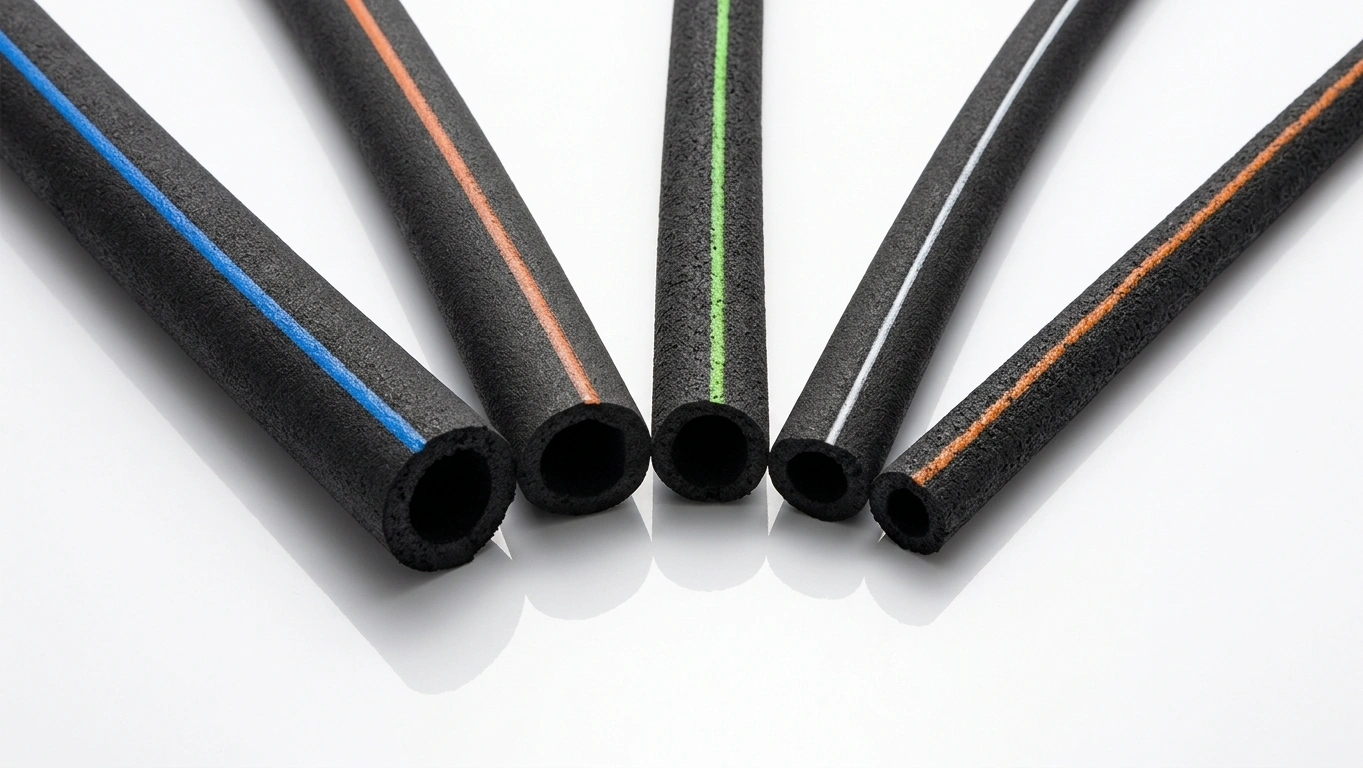
Termite protection is easier to plan when it is included during the construction stage. Once a building is completed, some areas around the foundation, slab, and other structural sections can become difficult to access.
An Irrigate Porous Pipe system can provide planned access for termite treatment in these areas. However, where the pipe is installed matters. The layout should be planned according to the building design and the areas that may need future treatment.
Why Is Pipe Placement Important?
An Irrigate Porous Pipe system is intended to provide access for termite treatment after the relevant construction work is completed.
If the pipe is not positioned correctly, some areas may not receive the intended treatment access. Good planning can help ensure that the system covers the sections where termite treatment may be required.
The installation is therefore usually considered as part of a wider anti termite protection system.
Areas Where Irrigate Porous Pipe May Be Installed
The exact layout will depend on the building, but several areas can be considered when planning a termite treatment pipe system.
Around Building Foundations
Foundations are an important area to consider because they can provide potential entry routes for termites.
An Irrigate Porous Pipe can be planned around suitable foundation areas so that treatment access is available where required.
The pipe layout should follow the building design rather than being placed without a clear treatment purpose.
Around Slab Edges
The edges of slabs can also be considered when planning termite treatment access.
Once construction is complete, these areas may be difficult to reach directly. Installing the system at the appropriate construction stage can provide an alternative route for future treatment.
This is one reason porous pipe for pre-construction termite treatment is considered during new building projects.
Near Potential Termite Entry Points
Termites can enter buildings through small gaps and points where different building elements meet.
Depending on the building design, the pipe network may be planned around areas where termite entry is considered possible.
These locations should be identified as part of the overall termite treatment plan.
Around Larger Building Sections
Larger buildings may require a more extensive pipe network to provide access to multiple areas.
A pipe reticulation system for termite prevention can connect different sections and provide treatment access across a larger area.
The design of the network should take into account the size and layout of the building.
What Should Be Considered Before Installation?
Before installing an Irrigate Porous Pipe system, builders and contractors should consider:
- The building’s foundation design
- Slab and floor layout
- Potential termite entry areas
- Locations that may become inaccessible later
- The route of the pipe network
- Future access points
- The overall termite treatment plan
Planning these details before construction progresses can reduce the chance of having to modify the system later.
Why Pre-Construction Installation Is Useful?
Installing an Irrigate Porous Pipe during construction gives the installation team access to areas that may later be covered by concrete, flooring, landscaping, or other building components.
It can also make it easier to create a planned termite pipe pre-construction treatment system rather than trying to create treatment access after the building has been completed.
This does not mean every part of a building needs to have a pipe installed. The system should be designed according to the building and the treatment requirements.
Get the Layout Right From the Start
The effectiveness of an Irrigate Porous Pipe system depends in part on proper planning and installation. Foundations, slab edges, potential entry points, and other relevant areas should be considered before the pipe network is installed.
For this reason, the pipe layout should be coordinated with the construction plan and termite treatment requirements.
When planned at the right stage, an Irrigate Porous Pipe system can provide useful access for termite treatment and form part of a building’s long-term termite protection strategy.