

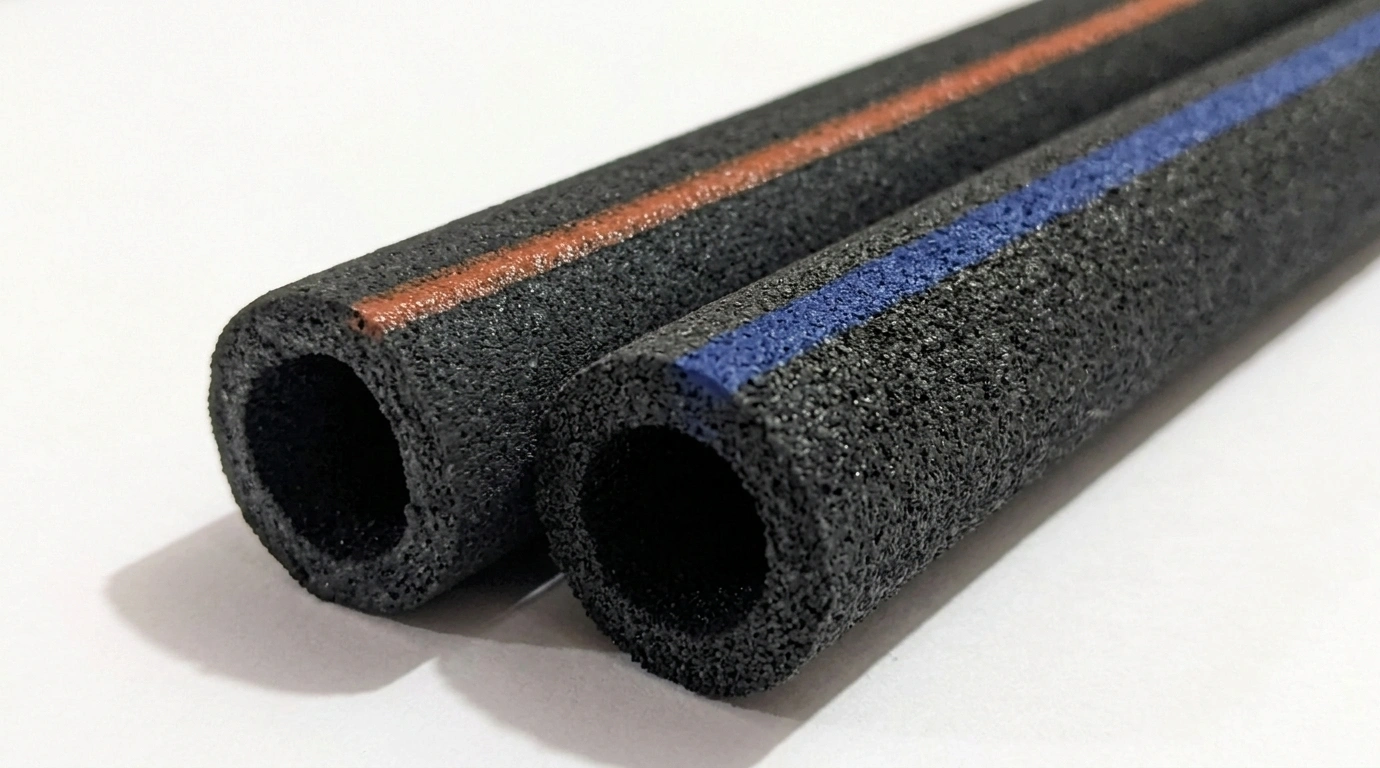
Termite protection is easier to plan when it is considered before a building is completed. One way to prepare for future termite treatment is to install an Irrigate Porous Pipe system during construction.
The system creates planned access points that can be used for termite treatment in areas that may become difficult to reach after construction. However, the pipe layout and installation need to be planned carefully to suit the building.
When Should an Irrigate Porous Pipe System Be Installed?
An Irrigate Porous Pipe system is generally planned and installed during the construction stage, before relevant areas are covered.
Installing the system early allows the pipe network to be positioned around areas where termite treatment may later be required.
This is particularly relevant to pre-construction termite treatment, where termite protection is incorporated into the building plan from the beginning.
Steps Involved in Installation
The exact installation method can vary depending on the building design and the treatment plan. However, the process generally involves several important steps.
1. Assess the Building Design
The first step is to identify the areas that may require termite treatment access.
This can include:
- Building foundations
- Slab edges
- Areas around structural sections
- Potential termite entry points
- Other locations identified in the treatment plan
The building layout should be reviewed before deciding where the pipe network will be placed.
2. Plan the Pipe Layout
Once the areas have been identified, the pipe route can be planned.
The layout should provide access to the required sections while allowing the treatment system to work effectively. The number and position of access points will depend on the project.
A properly planned anti termite protection system can make future treatment easier to manage.
3. Install the Irrigate Porous Pipe
The Irrigate Porous Pipe is positioned in the selected areas during the appropriate stage of construction.
Care should be taken to maintain the planned pipe route and avoid damage during later construction work.
The pipe should remain accessible at the designated treatment points so that termite treatment can be introduced when required.
4. Connect the Pipe Network
Where the project requires multiple sections of pipe, they can be connected to form a reticulation network.
This allows treatment to reach different sections of the system rather than relying on a single access point.
A pipe reticulation system for termite prevention can therefore provide planned access across larger buildings and construction projects.
5. Check the System Before Completion
Before the relevant construction stage is completed, the system should be checked to make sure the pipe network is positioned correctly and the treatment points remain accessible.
Any installation issues should be addressed before the surrounding areas become difficult to access.
Why Proper Installation Matters?
Installing an Irrigate Porous Pipe is not simply about placing a pipe around a building. The system needs to be planned according to the structure and the intended termite treatment approach.
Poor planning may result in areas being left without suitable treatment access or access points becoming difficult to use later.
For this reason, the installation should be coordinated with the construction team and termite treatment professionals.
Can It Be Installed in an Existing Building?
Installing an Irrigate Porous Pipe system is generally easier during construction because the required areas are accessible.
Existing buildings can present additional challenges because foundations, slabs, landscaping, and other structures may already be in place. The appropriate approach depends on the property and the areas that require treatment.
Understanding the difference between pre-construction and post-construction termite treatment can help property owners determine which approach is more suitable.
Plan Termite Treatment Access Early
An Irrigate Porous Pipe system can provide a planned route for future termite treatment when it is correctly incorporated into a building during construction.
By assessing the building, planning the pipe layout, installing the system at the right stage, and checking the completed network, builders can create better access for ongoing termite treatment.
The exact installation and treatment requirements should always be determined according to the building design and the recommendations of qualified termite treatment professionals.