

Termite treatment is an important part of protecting a building, especially in areas where termites are common. There are different ways to approach termite protection, and the right method can depend on the building, its construction stage, and the areas that need treatment.
Two approaches that are often considered are traditional termite treatment and an Irrigate Porous Pipe system. While both can be used as part of termite protection, they work differently and are suited to different situations.
What Is Traditional Termite Treatment?
Traditional termite treatment can involve applying a termite control solution to soil, foundations, cracks, joints, and other areas where termites may enter or move through a building.
The treatment is usually carried out at specific stages of construction or after signs of termite activity are found.
Depending on the building and treatment plan, it may involve:
- Treating soil around foundations
- Applying treatment around structural areas
- Treating cracks and joints
- Treating affected areas after an infestation is found
- Reapplying treatment when required
Traditional methods can be useful, but access can become difficult once construction is complete. Areas beneath slabs or around covered foundations may not be easy to reach without additional work.
What Is an Irrigate Porous Pipe System?
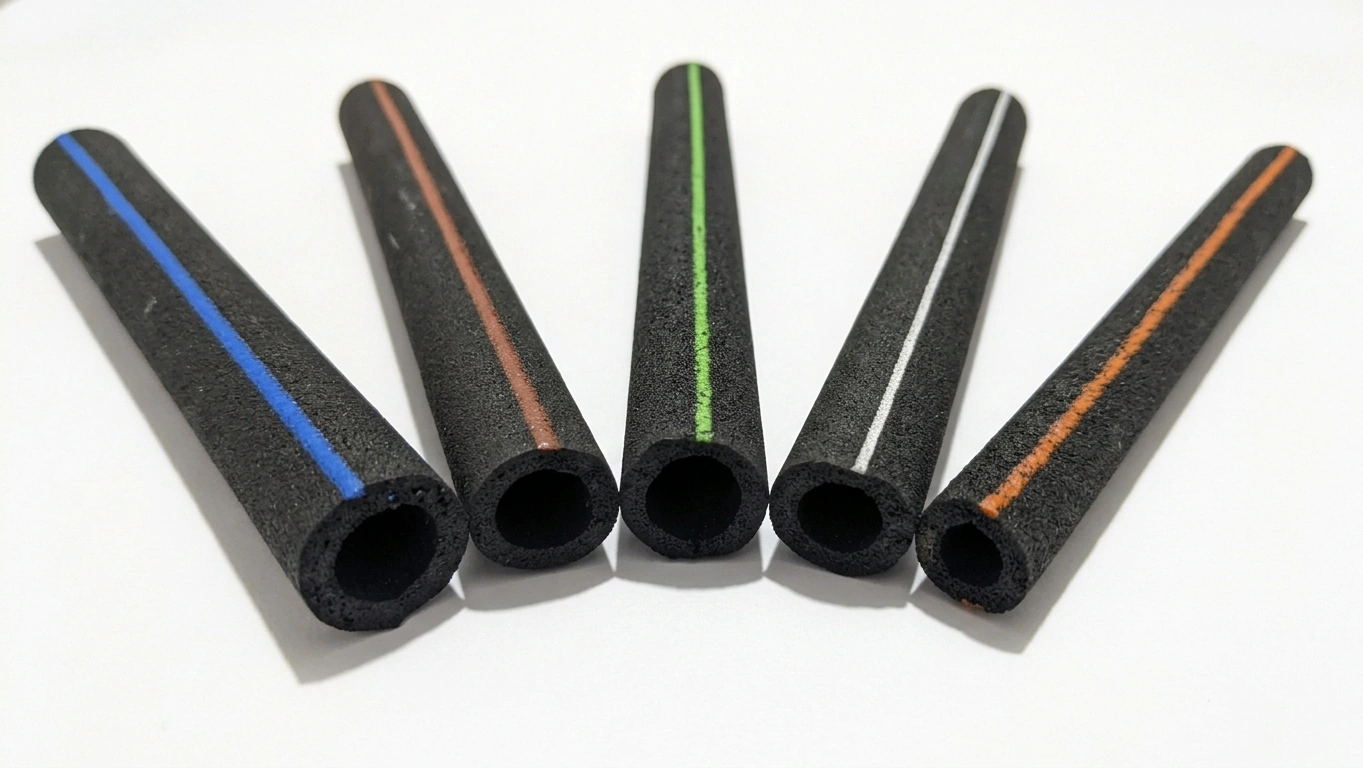
An Irrigate Porous Pipe system is installed as part of the building’s termite protection planning. The pipe network provides access for applying termite treatment to selected areas after installation.
The system can be incorporated during construction, when areas around foundations and slabs are still accessible.
This makes it particularly relevant to pre-construction termite treatment, where termite protection is planned before the building is completed.
Key Differences Between the Two
The main difference is how treatment reaches the areas that need protection.
Traditional treatment:
- Treatment is applied directly to accessible areas.
- Access can become more difficult after construction.
- Future treatment may require additional preparation.
- The method depends on the areas that can be reached during treatment.
Irrigate Porous Pipe system:
- A pipe network is installed before certain areas become inaccessible.
- It provides planned access for future treatment.
- The system can be incorporated into new construction.
- Treatment can be directed through the installed network when required.
An Irrigate Porous Pipe system does not necessarily replace every other termite treatment method. Instead, it can form part of a wider anti termite protection system.
Why Is Access Important?
One of the biggest challenges with termite protection is reaching the areas where termites may enter or remain active.
Once a building is finished, foundations, slabs, and other structural areas may be covered. This can make future treatment more difficult.
A planned pipe network can help address this problem by providing access that was installed during construction.
This is one reason anti-termite treatment pipes are considered during the planning stage of some construction projects.
Which Option Is Better?
There is no single termite treatment method that is suitable for every building.
The choice depends on factors such as:
- Whether the building is new or existing
- The construction design
- Areas that need protection
- The level of termite risk
- Accessibility for future treatment
- The recommended treatment method
For a new construction project, an Irrigate Porous Pipe system can provide a planned way to maintain treatment access after construction is completed.
For an existing building, other treatment methods may be more appropriate depending on the condition and accessibility of the property. You can learn more about the difference between pre-construction and post-construction termite treatment before deciding on an approach.
Planning Termite Protection Before Construction
The main advantage of considering an Irrigate Porous Pipe system early is that termite treatment access can be planned while the building is still under construction.
Instead of thinking about termite treatment only after an infestation appears, builders and property owners can consider how future treatment will be carried out.
An Irrigate Porous Pipe system can therefore be a useful part of a planned termite protection strategy, particularly for projects where long-term access to treatment areas is important.