

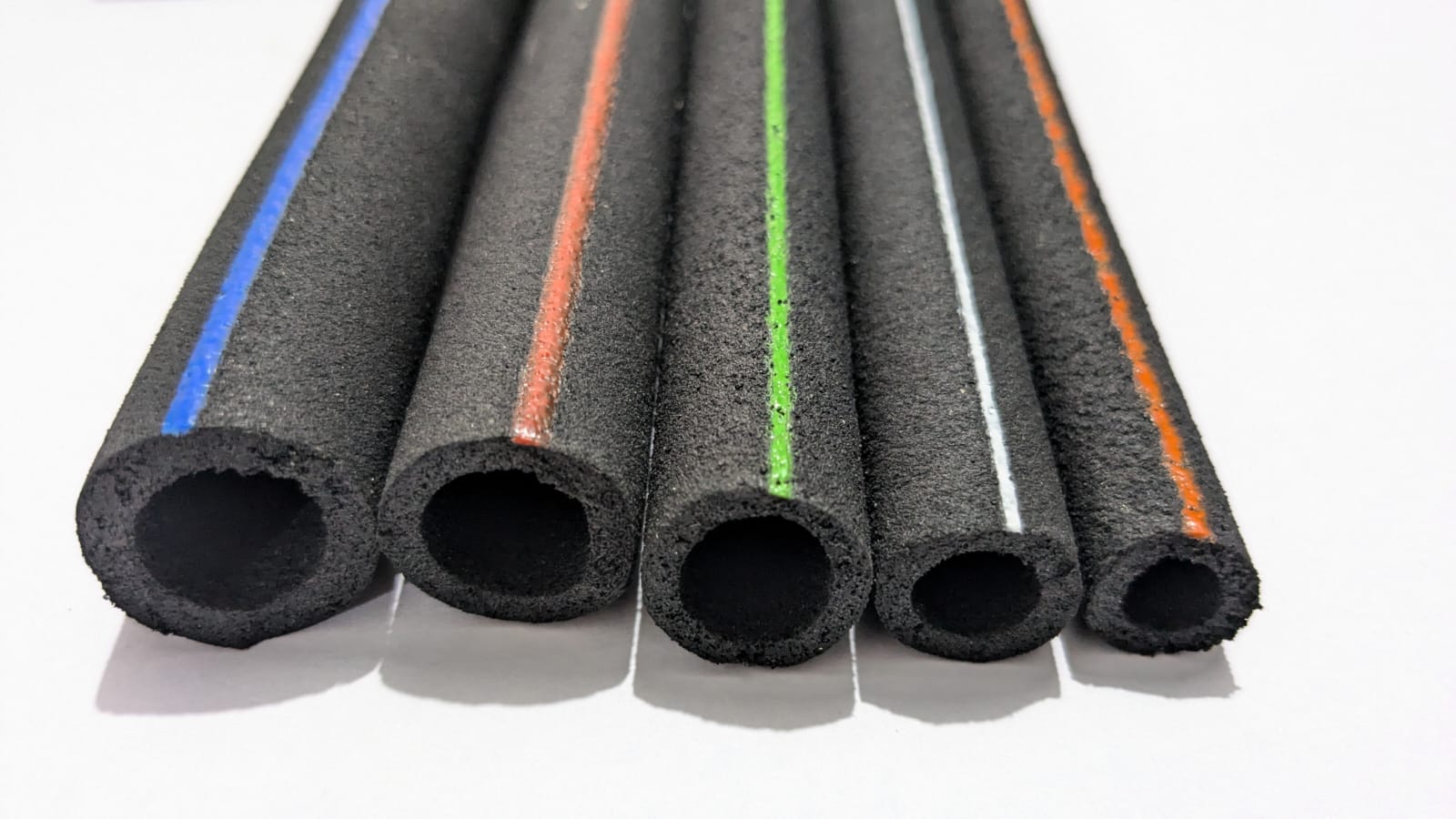
Termite infestations are one of the biggest threats to residential, commercial, and industrial buildings. These pests often remain hidden underground for long periods, slowly damaging foundations, wooden structures, flooring systems, and walls before the problem becomes visible. Because of this, modern construction projects increasingly rely on preventive termite protection systems rather than reactive treatments. One of the most effective solutions used today is an anti-termite irrigate porous pipe system.
An anti-termite irriagate porous pipe system is an underground piping network designed to distribute anti-termite chemicals evenly around and beneath a building structure. The system creates a protective chemical barrier within the soil, preventing termites from entering the property through underground pathways. Builders and pest management professionals prefer these systems because they offer long-term protection while making future termite treatments easier and more efficient.
How an Anti-Termite Irrigate Porous Pipe System Works?
A termite irrigate porous pipe system is installed beneath the building foundation and around vulnerable structural areas during the construction phase. The network usually consists of perforated or irrigate porous pipes connected strategically throughout the soil surrounding the structure.
Once the installation is complete, anti-termite chemicals are injected into the system through designated inlet points. The chemicals travel through the underground irrigate porous pipe network and disperse evenly into the surrounding soil. This creates a continuous protective zone that helps stop subterranean termites from reaching the building foundation.
Unlike traditional termite spraying methods, underground piping systems allow chemicals to spread more uniformly across large areas. This makes the treatment more reliable and longer-lasting. Modern construction companies often integrate advanced anti termite irrigate porous pipe systems into residential, commercial, and industrial projects to improve long-term pest protection.
Benefits of Using an Anti-Termite Treatment Irrigate Porous Pipe
One of the biggest advantages of an anti-termite treatment irrigate porous pipe system is its ability to provide preventive protection before termites become active inside the building. Instead of waiting for visible damage, property owners can create a strong underground defense system from the beginning.
These systems also simplify future termite maintenance. Pest control technicians can reapply chemicals through the existing underground irrigate porous pipe network without damaging flooring, landscaping, or building structures. This reduces maintenance costs and minimizes disruption to the property.
Another important benefit is the even distribution of anti-termite chemicals. Traditional surface treatments may leave untreated soil gaps, but underground termite irrigate porous pipe systems help maintain more consistent soil coverage. This improves the effectiveness of the termite barrier and reduces the risk of infestation.
Anti-termite irrigate porous pipe systems are also considered more efficient for large-scale projects such as apartment buildings, commercial complexes, warehouses, hotels, hospitals, and industrial facilities where long-term termite management is essential.
Difference Between Traditional Termite Treatment and Termite Irrigate Porous Pipe Systems
Traditional termite control methods often involve trenching, drilling, and surface chemical spraying around the building perimeter. While these methods can provide temporary protection, future retreatments may require repeated drilling and structural disturbance.
An anti termite irrigate porous pipe system offers a more advanced solution by creating a permanent underground reticulation network. Chemicals can be reapplied directly through the piping system whenever necessary, without major excavation or damage to the property.
This underground delivery method also improves chemical penetration into soil areas where termites typically travel and nest. As a result, irrigate porous termite pipe systems are becoming increasingly popular in modern infrastructure and construction projects.
Where are anti-termite irrigate porous pipes commonly used?
Anti-termite treatment irrigate porous pipes are widely used in both residential and commercial construction projects. In homes and villas, they are installed beneath foundations and around external perimeters to prevent subterranean termite entry.
Commercial buildings such as offices, shopping complexes, and hotels use irrigate porous termite pipe systems to protect large structural areas efficiently. Industrial facilities and warehouses also rely on underground termite reticulation systems because termite damage in such environments can lead to expensive structural repairs and operational disruptions.
Some landscaping and outdoor infrastructure projects also use underground termite piping around garden areas, retaining walls, and underground utility sections where termite activity is more likely to occur.
Factors That Affect the Performance of a Irrigate Porous Termite Pipe System
Several factors influence how effectively an irrigate porous anti termite treatment pipe system performs over time. Soil conditions play a major role because different soil types absorb and distribute chemicals differently. Clay soils, sandy soils, and mixed soil conditions all require different treatment approaches.
The layout of the building foundation is another important factor. Proper irrigate porous pipe placement around expansion joints, foundation edges, and entry points helps improve underground protection coverage.
Irrigate Porous pipe quality is equally important. High-quality piping materials ensure long-term durability and consistent chemical distribution throughout the system. Poor-quality irrigate porous pipes may crack, clog, or fail to distribute treatment evenly over time.
Routine inspection and maintenance also help maintain the effectiveness of the termite barrier. Accessible refill points make it easier for pest control professionals to monitor and reapply treatments when necessary.
Why Modern Construction Projects Prefer Anti Termite Irrigate Porous Pipe Systems?
As construction standards continue evolving, preventive pest control systems are becoming a standard part of modern building design. Anti termite irrigate porous pipe systems offer long-term structural protection, simplified maintenance, and more efficient underground chemical distribution compared to traditional treatment methods.
Builders and property developers increasingly prefer these underground termite protection systems because they help reduce future repair costs while improving the overall durability and safety of the structure. With rising awareness of long-term pest management, irrigate porous termite pipe systems continue to grow in popularity across residential, commercial, and industrial construction sectors.