

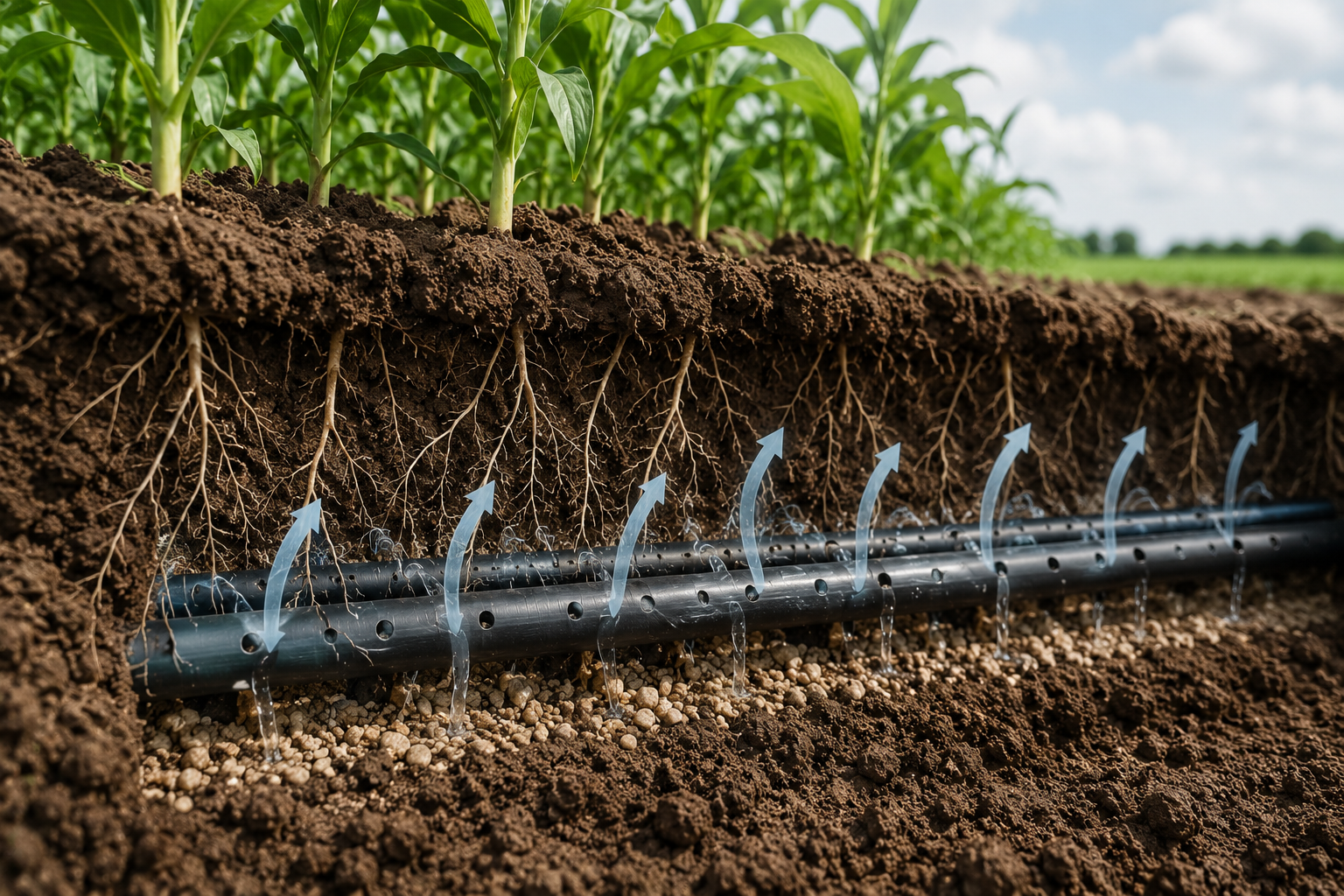
Modern agriculture depends heavily on efficient soil management and sustainable irrigation practices. Healthy soil is essential for strong root development, nutrient absorption, and long-term crop productivity. One of the most effective tools used to improve soil performance is an aeration tube.
Aeration tubes play a vital role in soil aeration systems by improving oxygen circulation beneath the ground surface while supporting efficient water movement. Farmers, greenhouse operators, landscapers, and agricultural professionals use these systems to maintain healthy root zones and optimize crop growth conditions.
As agricultural technology continues to evolve, aeration tube systems are becoming increasingly important in water-efficient farming and underground irrigation infrastructure.
What Is an Aeration Tube?
An aeration tube is a specially designed underground pipe or porous tubing system that helps improve airflow and water distribution within the soil. These tubes are typically installed beneath the soil surface to allow oxygen, moisture, and nutrients to circulate more effectively around plant roots.
In many agricultural environments, compacted soil limits airflow and prevents roots from receiving adequate oxygen. Aeration tubing helps solve this issue by creating pathways that support proper soil ventilation and hydration.
Modern soil aeration systems often combine aeration tubes with advanced irrigation pipe networks to improve both water management and root zone health simultaneously.
Why Soil Aeration Is Important in Agriculture?
Healthy soil contains a balanced mix of air, water, and nutrients. When soil becomes compacted, oxygen movement decreases and root systems struggle to function efficiently.
Poor soil aeration can lead to several agricultural problems, including:
- Weak root growth
- Reduced nutrient absorption
- Waterlogging
- Increased plant stress
- Lower crop yields
- Soil compaction issues
Aeration tubes help maintain proper underground airflow, allowing roots to breathe and grow more effectively. Improved oxygen circulation also supports beneficial microbial activity within the soil.
How Aeration Tubes Work?
Aeration tubes are installed either horizontally or vertically beneath the soil surface depending on the agricultural application. The system allows air and moisture to move through underground channels, improving soil structure and root zone conditions.
In some systems, porous materials allow slow water seepage while simultaneously supporting oxygen exchange. This combination makes aeration tubing highly effective for subsurface irrigation and soil conditioning.
Many growers integrate aeration tubes with advanced aeration tube solutions to improve water efficiency and underground soil management.
Applications of Aeration Tubes in Agriculture
Aeration tube systems are widely used across different agricultural and commercial environments because of their versatility and effectiveness.
Crop Farming
Farmers use soil aeration systems to maintain healthy soil conditions for crops such as vegetables, grains, and fruits. Proper aeration improves root development and enhances nutrient uptake.
Greenhouse Cultivation
Greenhouses require precise environmental control, including stable soil moisture and oxygen levels. Aeration tubing helps maintain ideal underground growing conditions for sensitive plants.
Landscaping and Turf Management
Golf courses, sports fields, and landscaped areas use aeration tube systems to improve soil drainage and prevent compaction caused by heavy foot traffic.
Orchard and Vineyard Irrigation
Trees and vines benefit from deep root oxygenation and controlled underground hydration provided by aeration tubing and irrigation pipe systems.
Benefits of Using Aeration Tubes
Improved Root Health
Healthy roots require oxygen to absorb nutrients efficiently. Aeration tubes improve oxygen circulation within the soil, promoting stronger and deeper root systems.
Better Water Distribution
Aeration systems often work alongside irrigation pipes to improve moisture penetration and reduce surface runoff. Water reaches deeper soil layers more efficiently.
Reduced Soil Compaction
Compacted soil can restrict plant growth and reduce crop productivity. Aeration tubing helps loosen the soil environment and improve underground airflow.
Enhanced Nutrient Absorption
Well-aerated soil allows roots to absorb nutrients more effectively, leading to healthier plants and improved agricultural performance.
Water Conservation
Modern soil aeration systems support efficient underground watering practices, helping reduce water waste and evaporation loss.
Difference Between Aeration Tubes and Traditional Irrigation Pipes
Although both systems are used underground, they serve different purposes.
Traditional irrigation pipe systems primarily focus on delivering water to crops and plants. Aeration tubes, however, are specifically designed to improve soil oxygenation and underground airflow while sometimes supporting moisture distribution as well.
In many advanced agricultural projects, both systems are combined to create a complete underground soil management solution.
Factors to Consider Before Installing Soil Aeration Systems
Several factors influence the effectiveness of aeration tube installations.
Soil Type
Clay soils often require additional aeration because they retain more moisture and compact easily. Sandy soils may require different tube spacing and installation depths.
Crop Requirements
Different crops have varying oxygen and moisture needs. Proper system design ensures optimal root zone conditions.
Installation Depth
The placement depth of aeration tubing affects airflow efficiency and water movement throughout the soil profile.
Water Pressure and Drainage
Proper water management is essential to prevent oversaturation and maintain balanced underground conditions.
Why Aeration Tubes Are Becoming More Popular?
Sustainable agriculture increasingly focuses on improving soil health while reducing water usage and operational costs. Aeration tube systems help support these goals by enhancing underground airflow, improving irrigation efficiency, and promoting healthier root environments.
As farmers and agricultural professionals adopt smarter irrigation technologies, aeration tubing continues to gain popularity across commercial farming, greenhouse cultivation, landscaping, and soil restoration projects.
Modern soil aeration systems provide a long-term solution for improving crop performance, conserving water, and maintaining healthier agricultural environments.