

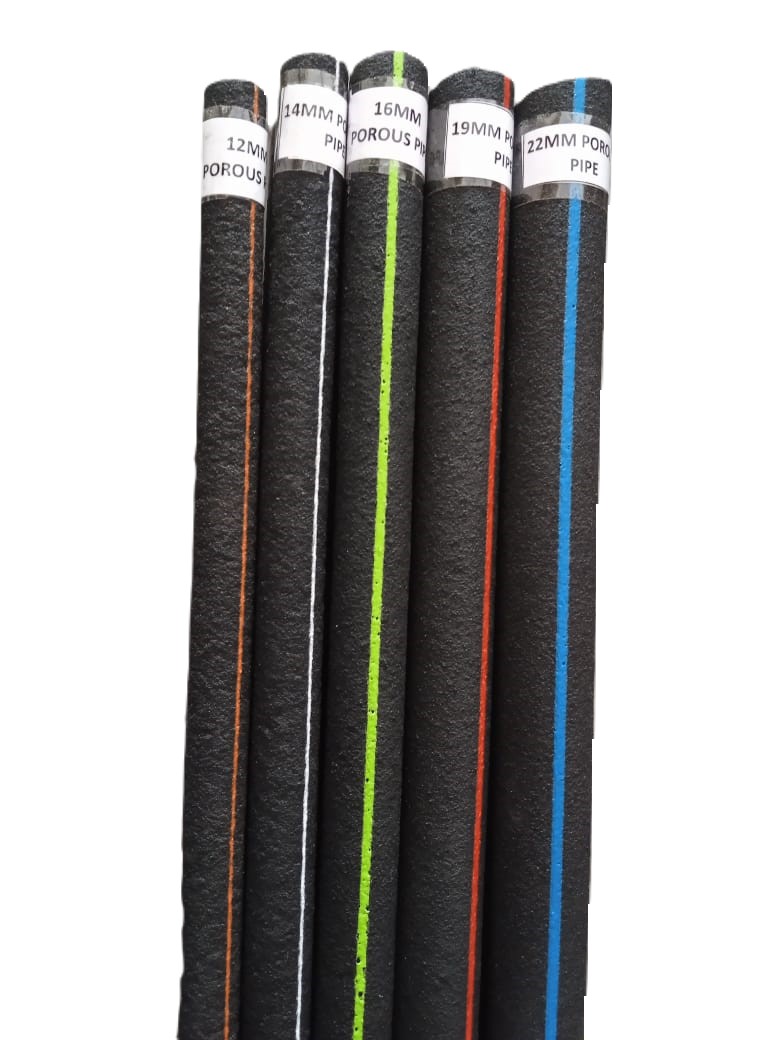
Water management has become one of the biggest challenges in modern agriculture, landscaping, and greenhouse cultivation. Traditional watering methods often lead to excessive evaporation, uneven water distribution, and unnecessary water wastage. This is where a irrigate porous pipe irrigation system offers a more efficient and sustainable solution.
A irrigate porous pipe irrigation setup is designed to release water slowly and evenly through tiny pores along the irrigate pipe surface. Instead of flooding the soil or spraying water into the air, the system delivers moisture directly into the root zone where plants need it most. This improves water efficiency while supporting healthier plant growth.
For farms, gardens, commercial landscapes, and industrial irrigation projects, porous irrigation systems are increasingly becoming a preferred alternative to conventional watering methods.
How a Irrigate Porous Pipe Irrigation System Works?
A irrigate porous pipe is manufactured using specially engineered materials that contain microscopic pores throughout the irrigate porous pipe wall. Once connected to a water source, water seeps gradually through these tiny openings and spreads evenly into the surrounding soil.
Unlike sprinkler systems that lose water through wind drift and evaporation, irrigate porous irrigation pipes deliver controlled subsurface hydration directly to plant roots. This creates consistent soil moisture without oversaturating the ground.
The process typically works in the following way:
- Water enters the irrigation pipe through the main supply line.
- Pressure moves water through the porous tubing network.
- Tiny pores release water slowly into the soil.
- Roots absorb moisture more efficiently over time.
This slow-release irrigation method helps maintain ideal soil conditions while reducing water consumption significantly.
Benefits of Using Irrigate Porous Pipe Irrigation
Better Water Efficiency
One of the biggest advantages of irrigate porous pipe irrigation is water conservation. Since water is delivered directly into the soil, there is minimal runoff and reduced evaporation loss.
This makes porous irrigation systems highly suitable for regions facing water scarcity or agricultural areas aiming to improve sustainability.
Uniform Soil Moisture Distribution
Traditional irrigation systems can create dry spots or waterlogged sections. Irrigate porous pipes provide a more even distribution of moisture across the planting area, ensuring healthier crop growth and improved root development.
Reduced Weed Growth
Because water is delivered below the soil surface, nearby weeds receive less moisture compared to overhead irrigation systems. This can help reduce weed growth naturally.
Lower Maintenance Requirements
Compared to complex sprinkler systems, porous irrigation networks generally involve fewer moving parts. With proper filtration and installation, the system can remain operational for long periods with minimal maintenance.
Businesses searching for reliable porous irrigation solutions often work with an experienced irrigate porous pipe supplier to ensure proper product selection and installation quality.
Applications of Porous Pipe Systems
Irrigate porous irrigation pipes are widely used across multiple industries due to their versatility and efficiency.
Agricultural Irrigation
Farmers use irrigate porous irrigation pipe systems for crops, orchards, and vegetable farms where controlled water distribution improves productivity while lowering water usage.
Landscaping and Gardens
Commercial landscapes, parks, golf courses, and residential gardens benefit from underground irrigate porous pipe systems because they maintain green spaces without visible surface watering equipment.
Greenhouses
Greenhouse environments require precise moisture management. Porous irrigation tubing helps maintain consistent humidity and soil conditions for sensitive crops and nursery plants.
Industrial and Commercial Projects
Many industrial facilities and infrastructure projects use irrigate porous pipe networks for controlled water management and soil conditioning applications.
Difference Between Irrigate Porous Pipes and Drip Irrigation
Although both systems are designed to conserve water, there are important differences between irrigate porous pipes and drip irrigation.
Drip irrigation uses emitters placed at intervals to release water in specific locations. An irrigate porous pipe, however, allows water to seep continuously throughout the entire irrigate porous pipe length. This creates more uniform moisture coverage across the soil bed.
Porous irrigation systems are often preferred for:
- Continuous root hydration
- Large planting beds
- Subsurface watering
- Long landscape stretches
- Soil moisture consistency
Drip systems may still work well for individual plants or row crops, but irrigate porous pipe irrigation provides broader underground coverage.
Factors to Consider Before Installing a Irrigate Porous Pipe Irrigation System
Several factors influence the efficiency of a porous irrigation network.
Soil Type
Sandy soil drains faster, while clay retains moisture longer. Irrigate porous pipe spacing and water pressure should be adjusted accordingly.
Water Pressure
Low and controlled pressure is essential for maintaining consistent seepage across the irrigate porous pipe surface.
Filtration System
Clean water helps prevent clogging inside the porous tubing network. Proper filtration extends system lifespan and improves performance.
Irrigate Porous Pipe Layout Design
An efficient irrigate porous pipe layout ensures even water distribution throughout the target area.
For specialized underground water distribution and pest management applications, many contractors also integrate a irrigate porouspipe reticulation system into their infrastructure projects.
Why Irrigate Porous Pipe Irrigation Is Growing in Popularity?
As industries continue focusing on water conservation and sustainable infrastructure, irrigate porous pipe systems are becoming increasingly popular across agriculture and commercial irrigation sectors.
Their ability to reduce water waste, improve soil hydration, and support healthier plant development makes them an efficient long-term investment. Modern irrigation projects increasingly prioritize underground watering technologies that improve performance while reducing operational costs.
In sectors where soil protection and underground treatment systems are important, businesses also use advanced anti termite irrigate porous pipe systems alongside irrigate porous pipe infrastructure for integrated site management.