

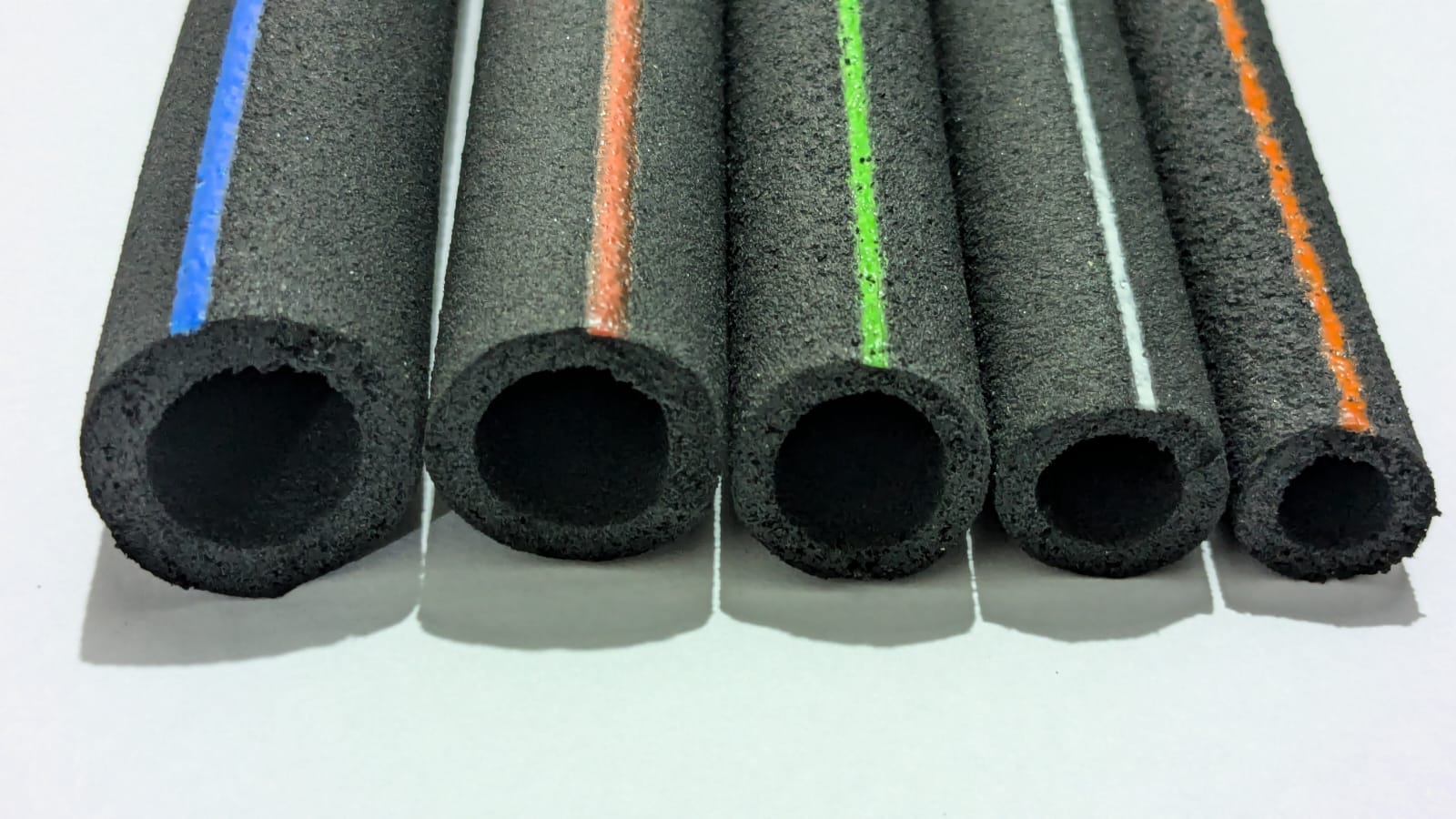
Many property owners only think about termite protection after discovering damage. Unfortunately, by the time visible signs appear, termites may have already been feeding on timber, flooring, wall frames, or other structural components for months or even years.
Modern termite management focuses on prevention rather than repair. One of the most effective preventive solutions is a irrigate porous pipe reticulation system, which allows termiticides to be distributed beneath and around a building whenever treatment is required.
But how do you know if your property would benefit from such a system? Understanding the warning signs can help prevent expensive repairs and long-term structural damage.
Why Termites Can Cause Extensive Damage Before They Are Detected?
Unlike many household pests, termites rarely expose themselves in the open. They typically travel through soil, foundations, and concealed wall cavities while feeding on cellulose-based materials.
This hidden behavior means infestations can remain undetected until significant damage has occurred. In many cases, property owners only notice termites after finding damaged wood, hollow-sounding structures, or visible mud tubes.
Properties located in termite-prone regions face an even greater risk, making long-term prevention systems increasingly important.
Frequent Termite Activity Around the Property Indicates Higher Risk
One of the clearest signs that a building needs a dedicated termite management solution is recurring termite activity in the surrounding area.
You may notice:
- Flying termites during swarming season
- Discarded termite wings near windows
- Mud shelter tubes along walls
- Nearby termite infestations in neighboring properties
- Repeated pest control treatments
When termites are consistently active in the local environment, relying solely on occasional chemical applications may not provide sufficient protection.
Installing an anti termite irrigate porous pipe network allows future treatments to be delivered efficiently whenever needed.
Buildings Without Pre-Construction Protection Are More Vulnerable
Many older buildings were constructed without modern termite prevention systems. As a result, they lack the infrastructure needed for efficient re-treatment.
If your property was built before termite reticulation systems became common, there is a greater chance that the building relies solely on aging chemical barriers.
A professionally installed termite irrigate porous pipe system can improve long-term protection by creating permanent treatment access around the structure.
This is particularly valuable for commercial properties, warehouses, apartment complexes, and institutional buildings.
Repeated Chemical Treatments May Signal the Need for a Permanent Solution
Some property owners find themselves scheduling termite treatments every few years while continuing to worry about future infestations.
Although chemical treatments remain effective, repeated applications can become expensive and disruptive over time.
An irrigate porous pipe reticulation system offers a more sustainable approach because it allows pest control professionals to replenish termite barriers through a network of underground irrigate porous pipes rather than drilling through slabs or excavating around foundations.
For buildings that require ongoing termite management, this approach often provides better long-term value.
Large Foundations Can Be Difficult to Protect Using Traditional Methods
As building size increases, achieving complete soil coverage becomes more challenging.
Commercial facilities, shopping centers, educational institutions, industrial buildings, and large residential developments often require a more systematic treatment method.
An anti termite treatment irrigate porous pipe system helps distribute termiticides evenly across larger treatment zones, reducing the risk of untreated areas where termites may gain entry.
For extensive structures, reticulation systems provide a level of consistency that traditional spot treatments may struggle to achieve.
Visible Structural Damage Should Never Be Ignored
Property owners should immediately investigate signs of termite-related damage, including:
Hollow-Sounding Timber
Wood that sounds empty when tapped may indicate internal termite feeding.
Cracked or Bubbling Paint
Termite activity can cause moisture changes that affect painted surfaces.
Warped Doors and Windows
Structural movement caused by termite damage may make doors and windows difficult to operate.
Mud Tubes Along Foundations
These shelter tubes are one of the most recognizable indicators of termite movement between the soil and a structure.
While existing infestations require professional treatment, they may also highlight the need for a long-term prevention strategy such as a irrigate porous pipe for termite treatment system.
Why Do New Construction Projects Often Include Reticulation Systems?
Builders increasingly install termite reticulation systems during the construction phase because doing so is significantly easier and more cost-effective than retrofitting them later.
A properly designed irrigate porous pipe for termite treatment network creates a permanent infrastructure for future termite management. Instead of relying on repeated drilling and excavation, chemicals can be introduced directly through the system whenever protection needs to be renewed.
For property owners planning long-term occupancy or asset protection, this proactive approach offers greater flexibility and peace of mind than traditional treatment methods alone.
When Does Prevention Become More Cost-Effective Than Repairs?
Repairing termite damage often costs significantly more than preventing it. Structural timber replacement, flooring repairs, wall restoration, and pest management services can quickly become expensive.
Buildings located in high-risk areas, properties with recurring termite activity, and structures lacking modern protection systems are often strong candidates for a irrigate porous pipe reticulation system, an irrigate porous anti-termite pipe, or an irrigate porous termite pipe network. Investing in prevention early can help reduce future repair costs while maintaining continuous protection against one of the most destructive pests affecting buildings.