

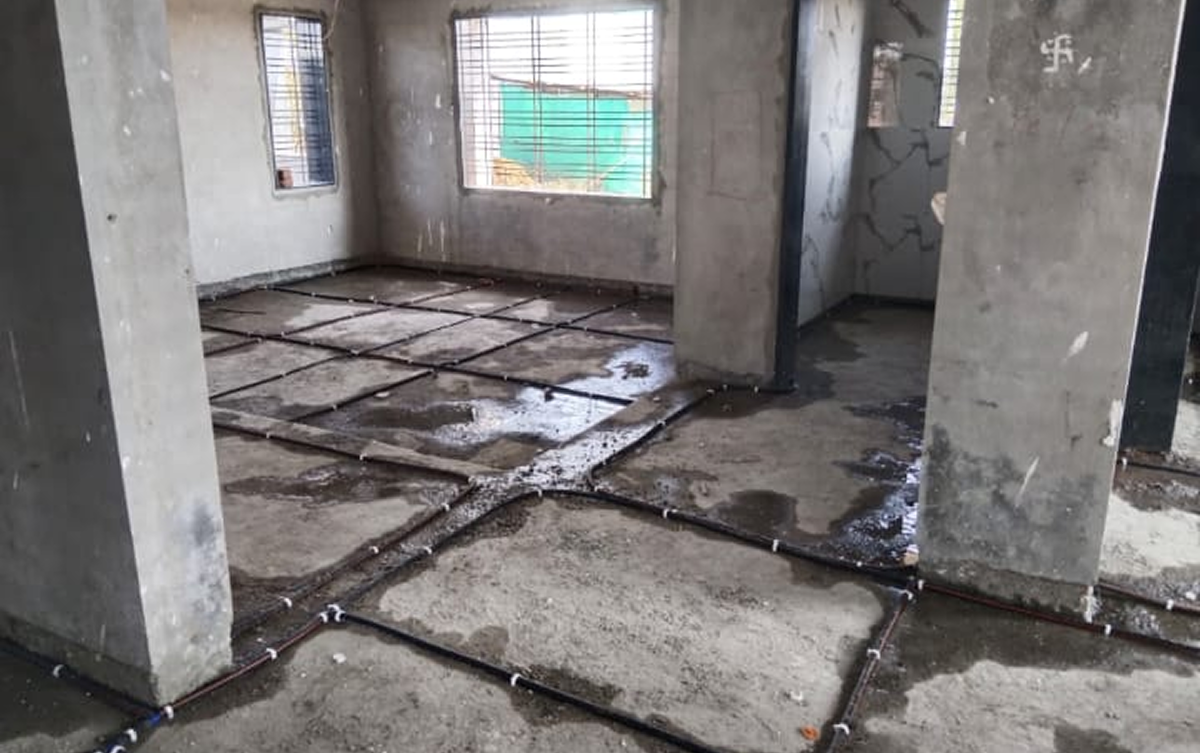
For homeowners and commercial property developers alike, few threats are as insidious and financially devastating as a termite infestation. Subterranean termites, in particular, cause billions of dollars in structural damage globally each year, silently eating away at the wooden frameworks of buildings from the inside out. Traditionally, protecting a structure involved messy soil sprays or reactive measures taken only after the damage was already done.
However, modern pest control engineering has provided a far superior, proactive solution: the anti-termite treatment pipe system. Also widely known in the industry as a termite reticulation system, this innovative approach is rapidly becoming the gold standard for foundation protection in new constructions.
If you are looking to safeguard your investment for the long haul, understanding the mechanics of this system is crucial. In this comprehensive guide, we will break down exactly what an anti-termite treatment pipe system is, the science behind how it works, and why it is the most effective way to maintain a continuous chemical barrier around your property.
What Exactly is an Anti-Termite Treatment Pipe System?
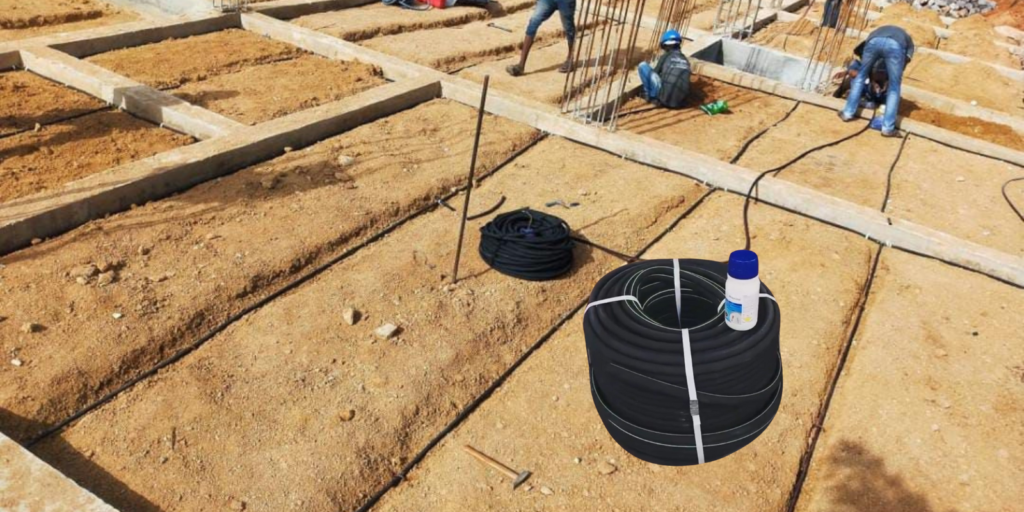
At its core, an anti-termite treatment pipe system is a specialized, subterranean network of porous tubing installed beneath the foundation of a building. Unlike traditional pest control methods that rely on top-down spraying of chemicals onto the soil surface, this system is strategically laid out in the trenches and along the perimeter of the building before the concrete slab is ever poured.
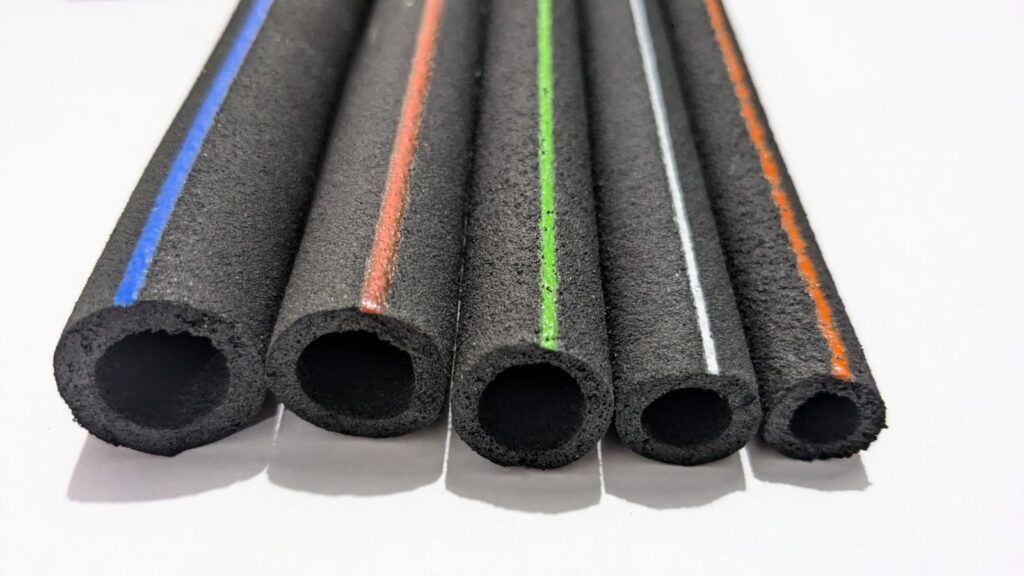
The primary component of this system is a flexible, heavy-duty pipe featuring specially engineered emitters or perforations spaced out at precise intervals. Once the building is constructed, this hidden network remains in place permanently. Its purpose is to act as a delivery mechanism, allowing pest control professionals to pump liquid termiticide directly into the soil beneath the building, creating an impenetrable chemical barrier that repels and eliminates termite colonies attempting to breach the foundation.
To see high-quality examples of these specialized porous pipes and related infrastructure, you can explore the solutions offered at Irrigate Porous, which specializes in delivering reliable, even-distribution piping for termite management.
How Does the Porous Pipe Distribution System Work?
The genius of the anti-termite treatment pipe lies in its methodical, three-phase approach to property protection. It is not just a one-time application, but a sustainable, long-term defense mechanism. Here is a step-by-step look at how the system operates from day one through the lifespan of your building.
Phase 1: Strategic Pre-Construction Installation
The optimal time to install an anti-termite pipe system is during the pre-construction phase. After the foundation trenches are dug but before the concrete slab is poured, technicians lay the porous tubing along the internal and external perimeter of the foundation walls.
The piping is carefully positioned in areas where subterranean termites are most likely to forage and attempt entry—specifically around plumbing penetrations, expansion joints, and the foundational footings. The ends of the pipe network are routed to a secure, easily accessible junction box (often located on an exterior wall), which serves as the injection point for future treatments.
Phase 2: Creating the Initial Chemical Barrier
Once the construction is complete and the soil has settled, the system is ready for its first activation. A licensed pest control professional connects a specialized high-pressure pump to the external junction box. They then pump a precisely calibrated volume of liquid termiticide into the pipe network.
Because the pipes are porous or feature specialized drip emitters, the chemical is forced out evenly along the entire length of the system. The termiticide saturates the surrounding soil, bonding with the earth to create a continuous, gap-free chemical barrier beneath the concrete slab. If a colony of foraging subterranean termites encounters this treated soil, they are either repelled or killed instantly, preventing them from ever reaching the structural timber of the house.
Phase 3: Long-Term Protection and Seamless Recharging
The most significant advantage of the anti-termite treatment pipe system is its ability to be recharged. Over time, all chemical termiticides naturally degrade due to moisture, soil pH, and biological activity. A standard liquid soil treatment typically loses its efficacy after 3 to 5 years.
With traditional methods, restoring that barrier requires highly disruptive drilling and trenching. Technicians literally have to drill holes through your expensive flooring and concrete slab every 12 to 18 inches to inject more chemicals.
With a pipe reticulation system, however, recharging is completely non-invasive. When the chemical barrier reaches the end of its lifespan, a technician simply returns to the property, hooks up their pump to the external junction box, and injects a fresh batch of termiticide. The chemical flows through the existing subterranean network, re-saturating the soil and renewing your property’s protection without a single drill hole inside your home.
Key Benefits of Installing Anti-Termite Pipes
Investing in a high-quality pipe reticulation system offers several distinct advantages over traditional pest control methodologies.
Continuous, Gap-Free Protection
Hand-spraying chemicals before pouring a slab is prone to human error. Technicians can easily miss spots, creating weak points or “gaps” in the chemical barrier that termites will inevitably find. A meticulously designed porous pipe system ensures a uniform distribution of termiticide every single time it is pressurized, guaranteeing 360-degree protection.
Elimination of Future Drilling and Trenching
As mentioned above, the ability to recharge the system without structural disruption is a massive financial and aesthetic benefit. You will never have to worry about pest control operators drilling through your hardwood floors, tearing up your landscaping, or damaging your driveway to reapply chemicals.
Safe and Environmentally Conscious Application
Because the termiticide is delivered underground directly to the target zone, there is zero risk of airborne chemical drift. This makes the process incredibly safe for the building’s occupants, children, and pets. Furthermore, because the delivery system is so highly targeted, it prevents the chemicals from washing away into storm drains or local waterways during heavy rains, making it a much more environmentally responsible choice.
Is an Anti-Termite Treatment Pipe System Right for Your Property?
If you are in the planning stages of a new residential build, a commercial property development, or a major home addition that involves pouring a new foundation, incorporating an anti-termite pipe system should be at the top of your priority list. The upfront cost of installing the piping during construction is negligible compared to the astronomical costs of repairing structural termite damage—or the headache of drilling through your finished floors a few years down the line.
By planning ahead and integrating this technology into your foundation, you are essentially hardwiring an immune system into your building, ensuring that it remains safe, secure, and termite-free for decades to come.